週末プチトリップ:日本国内のおすすめ短期旅行先10選
クラブウィンダム・アジアの日本人メンバーの皆さまへ、新しい形の日本旅行をご提案します。
ハイライト
- 日本各地の「週末旅」に最適な10の目的地 / 電車や車でアクセスしやすい場所
- 各地のベストシーズンを紹介
- 温泉、自然、グルメ、都市観光など多彩な選択肢
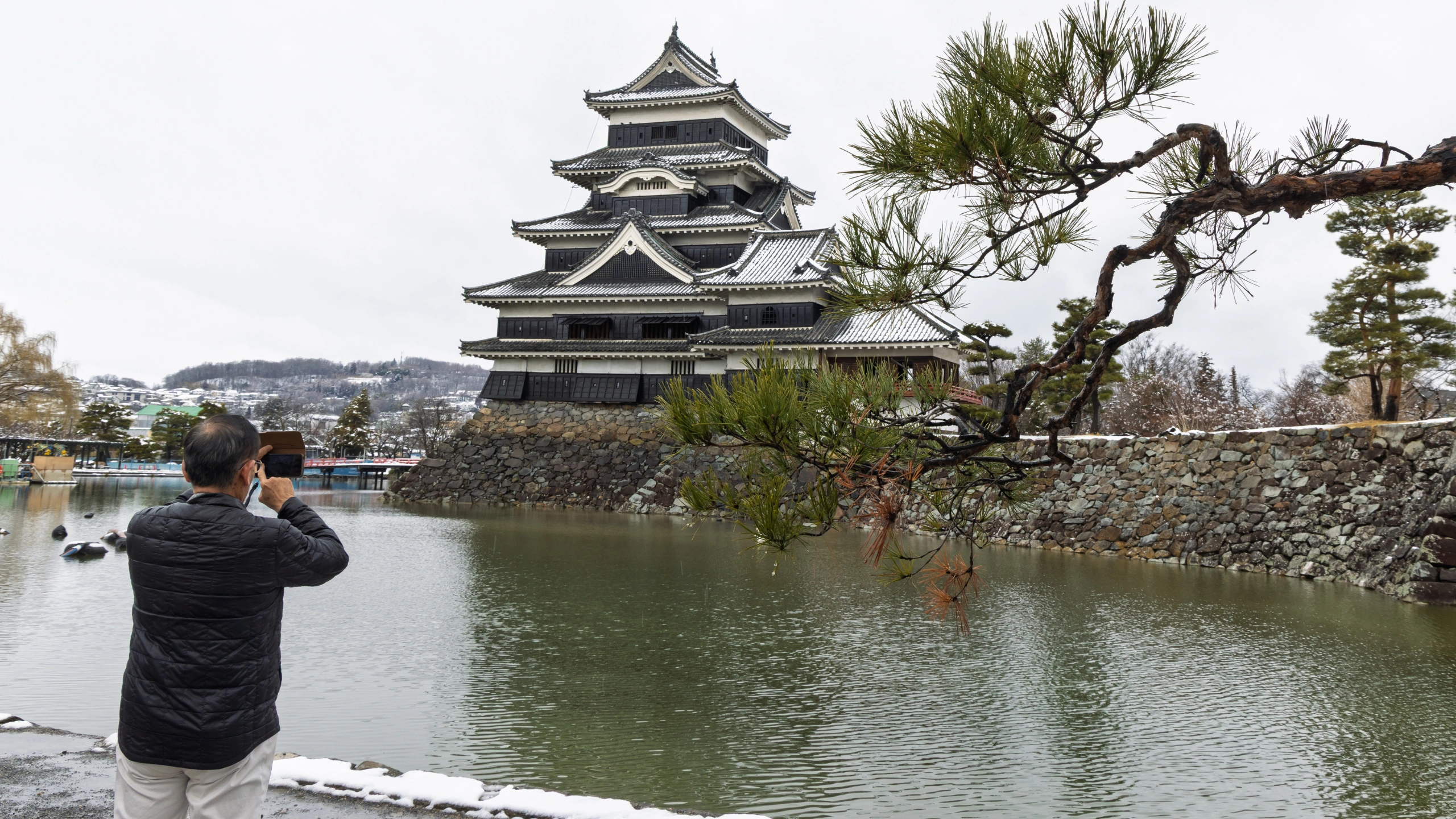
理想的なショートトリップとは?
満足度の高い週末旅のポイントはシンプル。
- 移動時間が短い(片道2〜3時間以内が理想)
- 目的が明確(温泉/自然/グルメ/街歩き)
- ゆとりのあるスケジュール(「余白時間」が旅の心地よさを生む)
日本の週末旅行先ベスト10
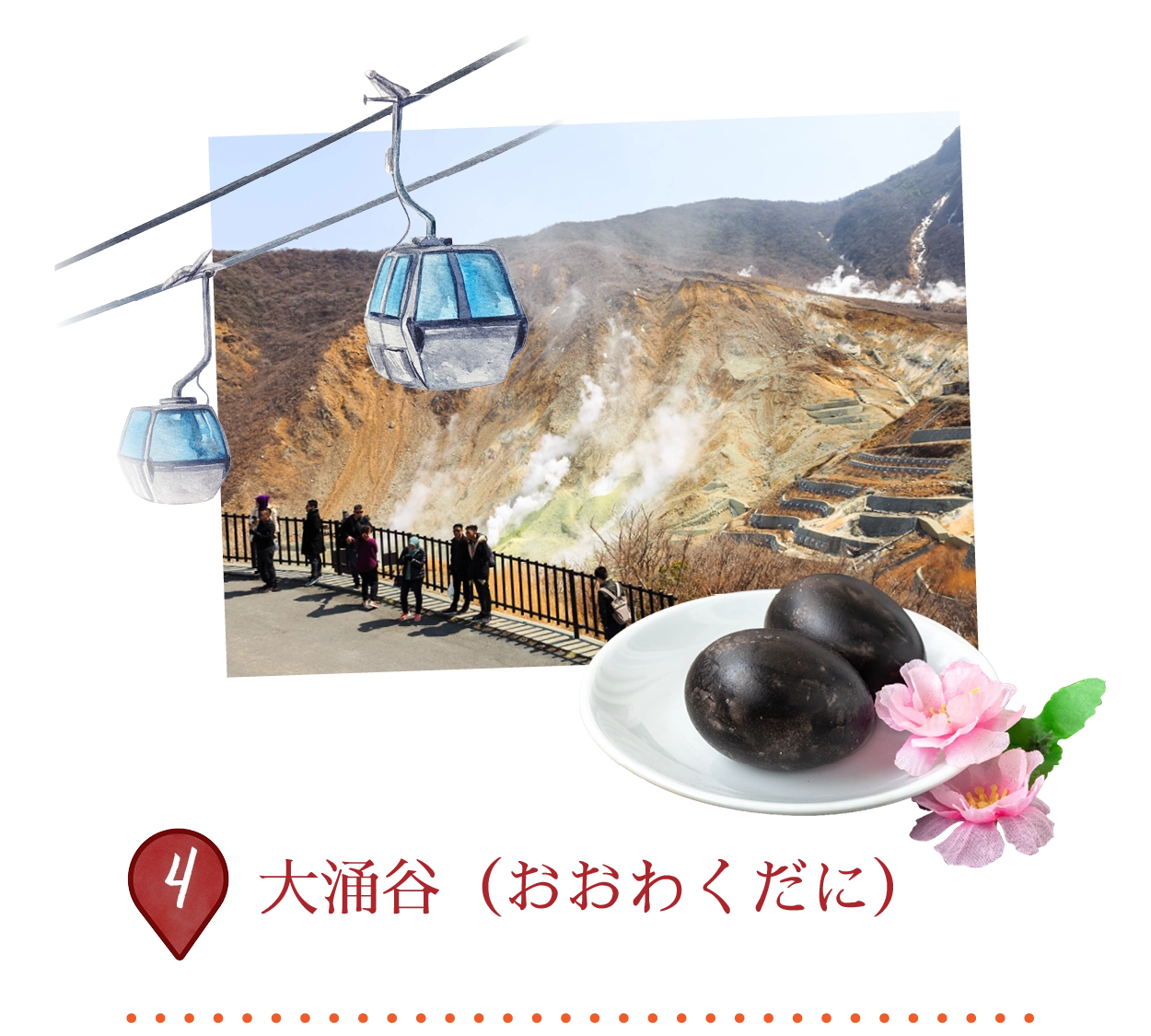
箱根(神奈川)
- ベストシーズン:秋〜冬/春の新緑もおすすめ
- おすすめの過ごし方(3案):
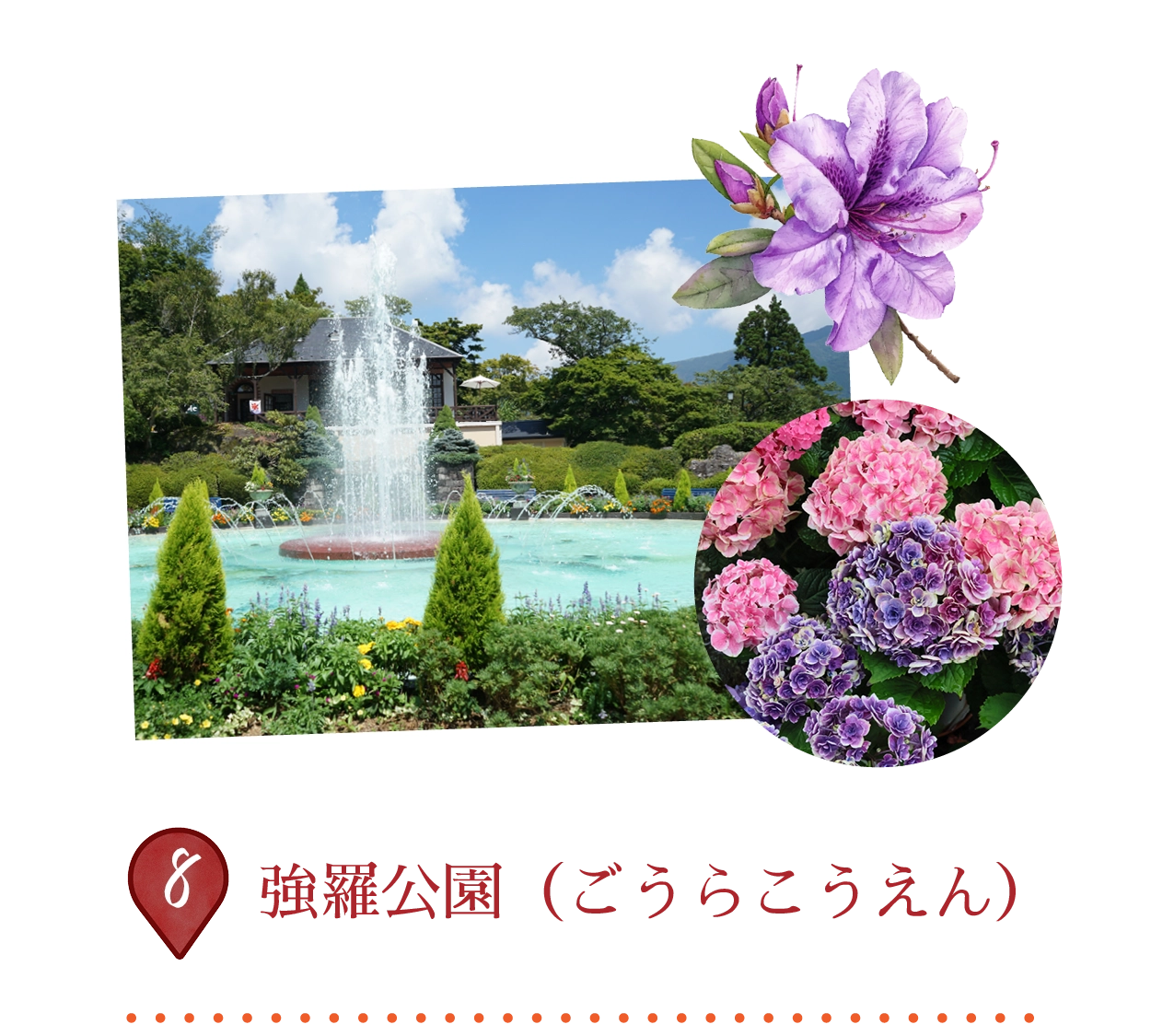
- 箱根湯本・強羅エリアで温泉巡り
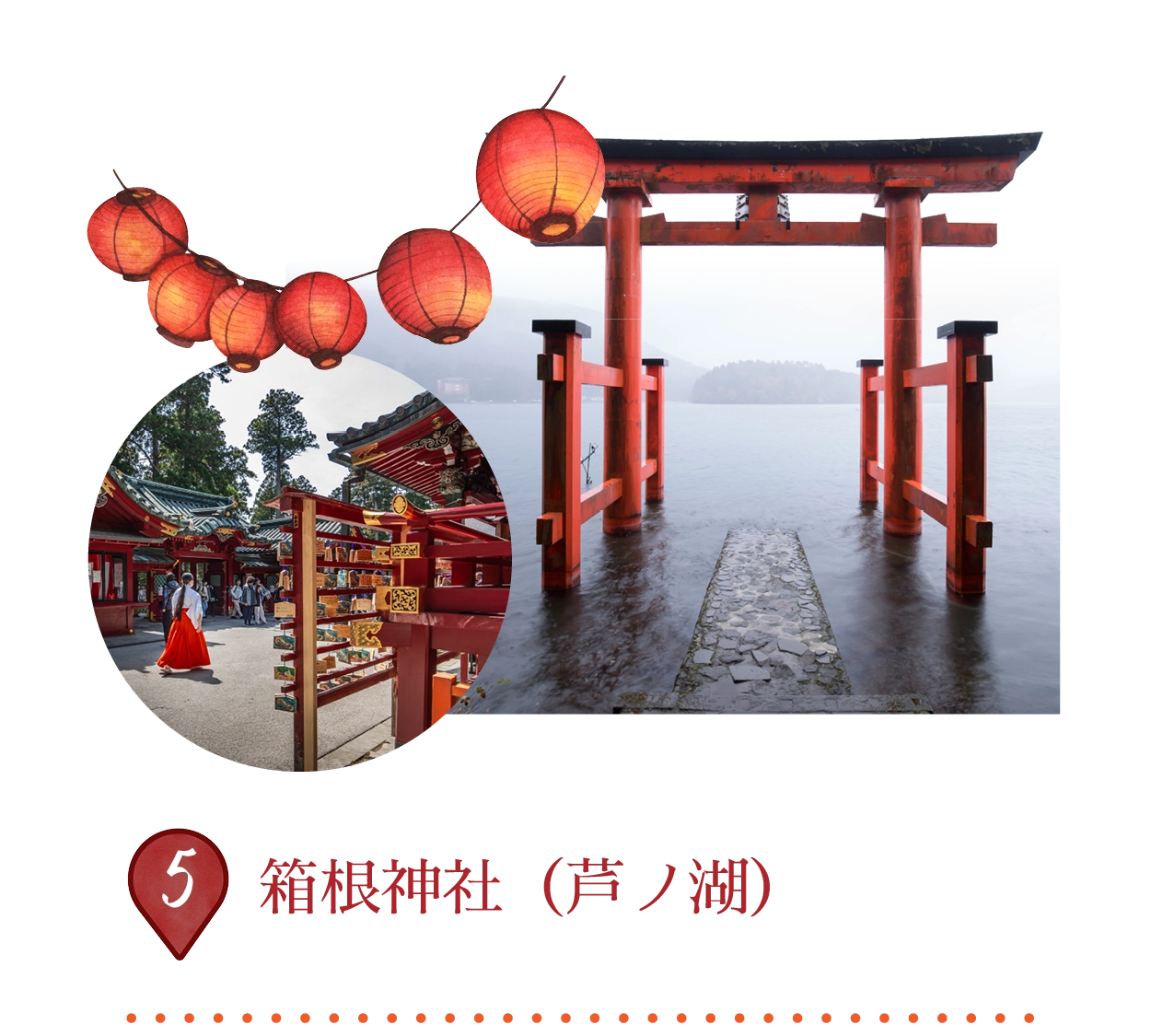
- 芦ノ湖クルーズ&箱根神社参拝
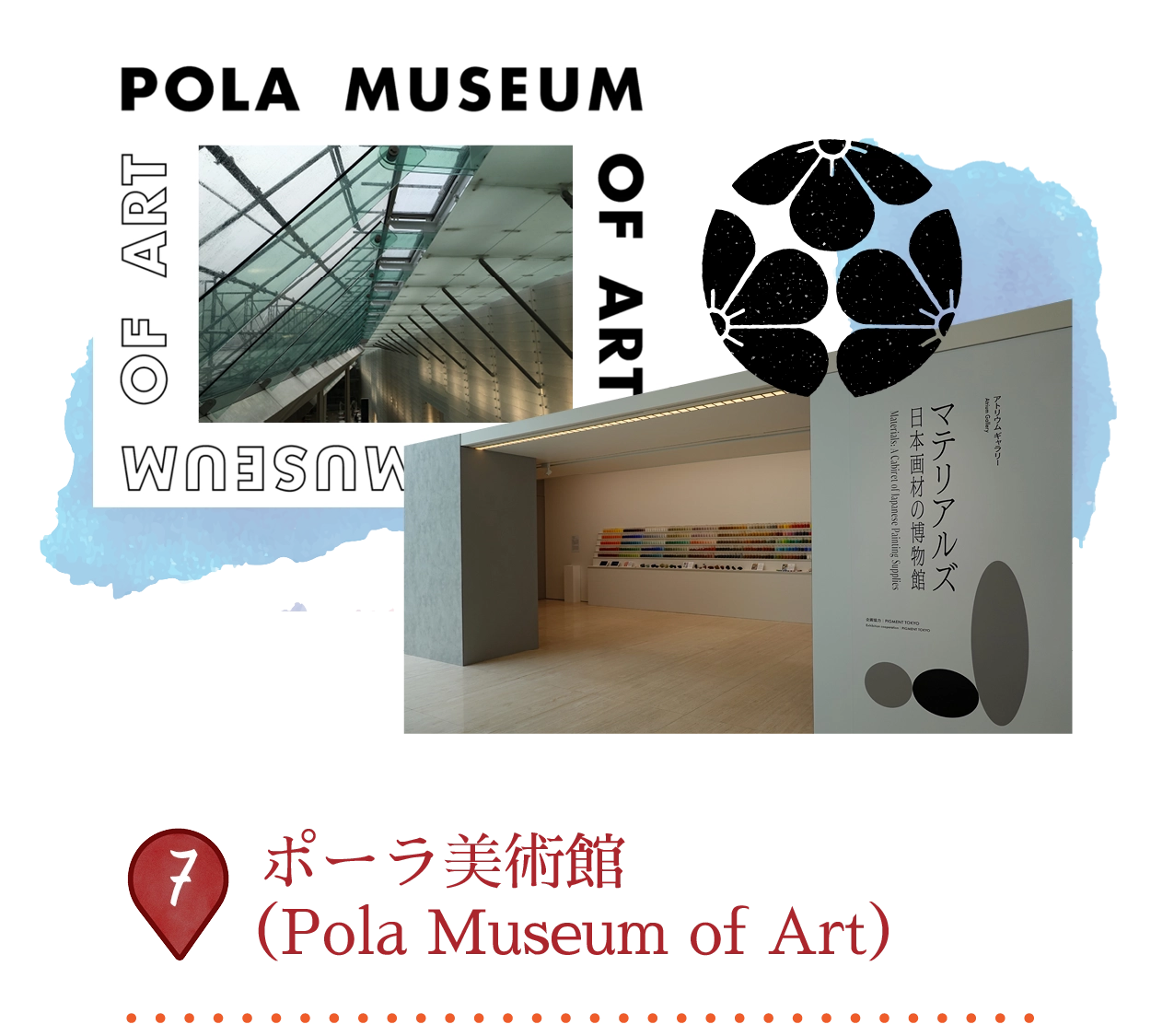
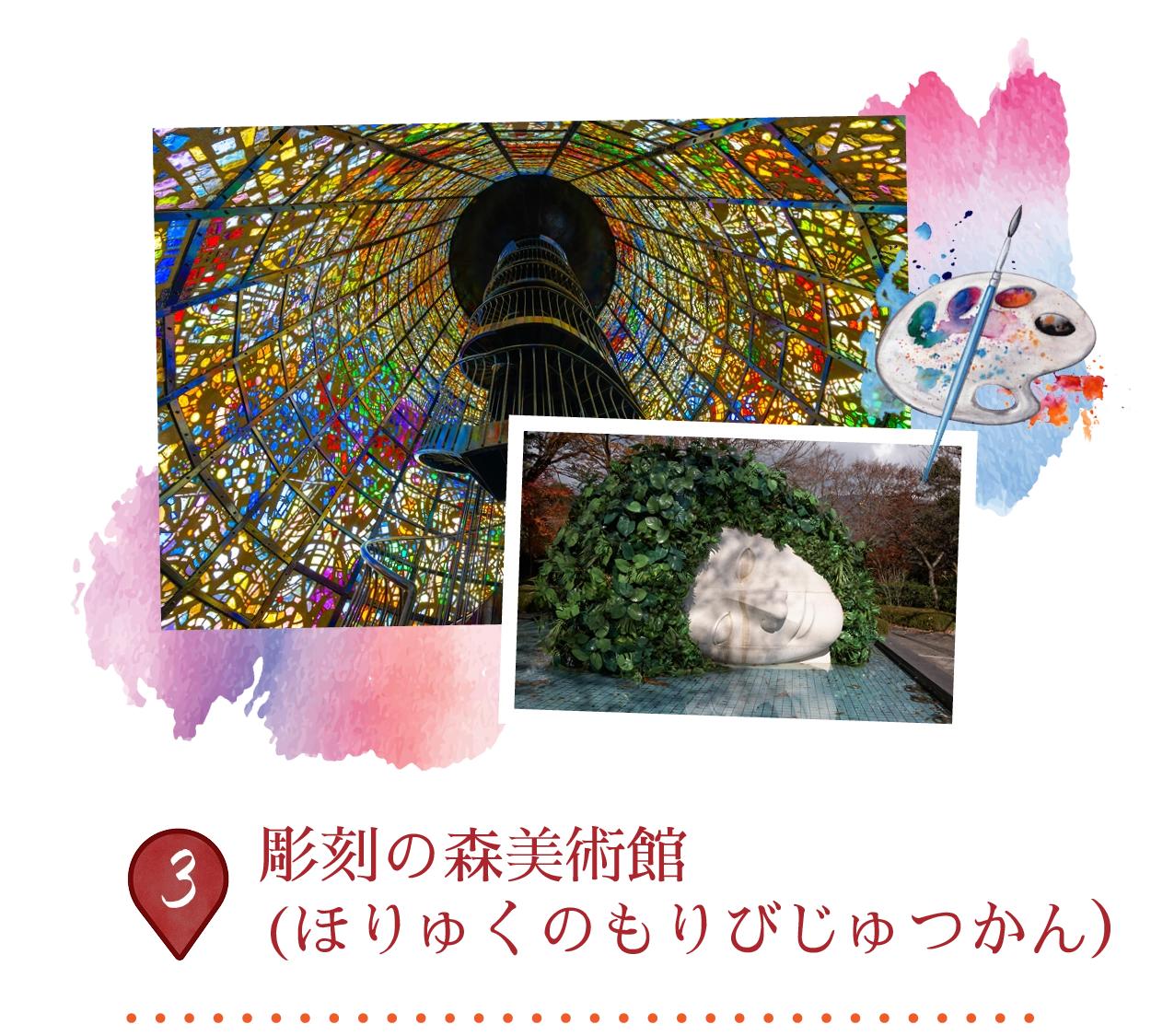
- ポーラ美術館などのアートスポット訪問
- 所要時間:東京から約1.5〜2時間
- おすすめタイプ:カップル/リラックス旅
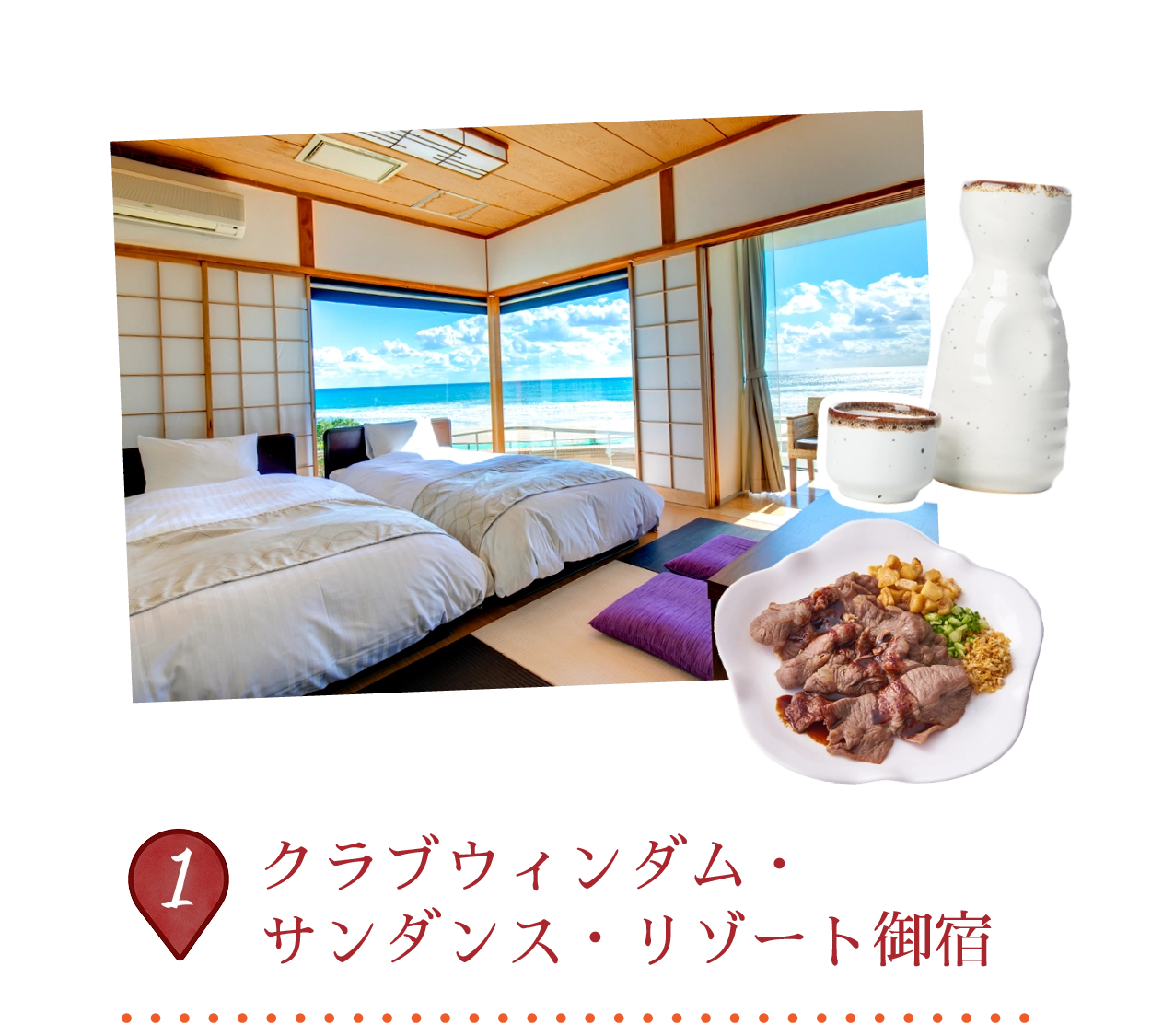
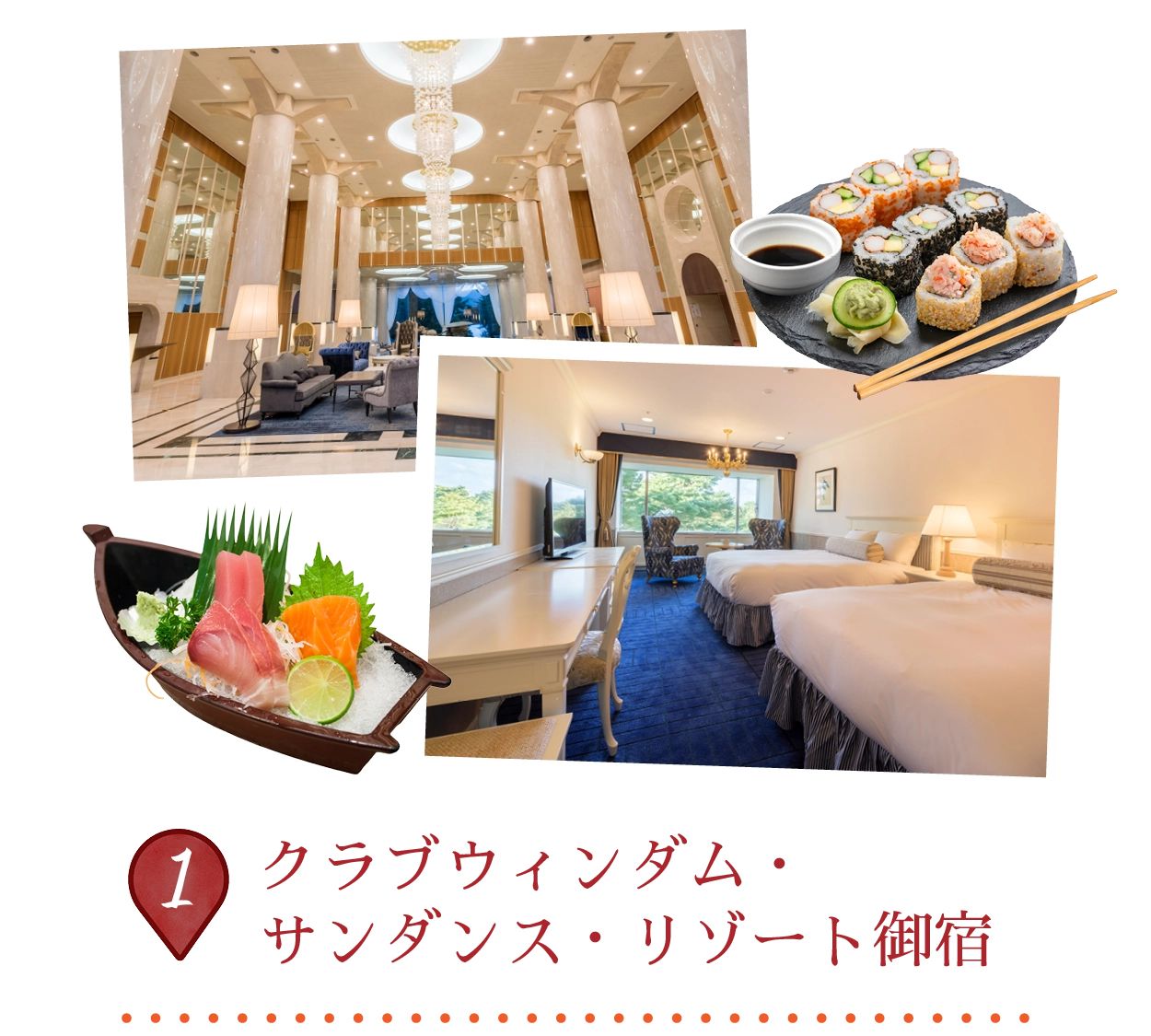
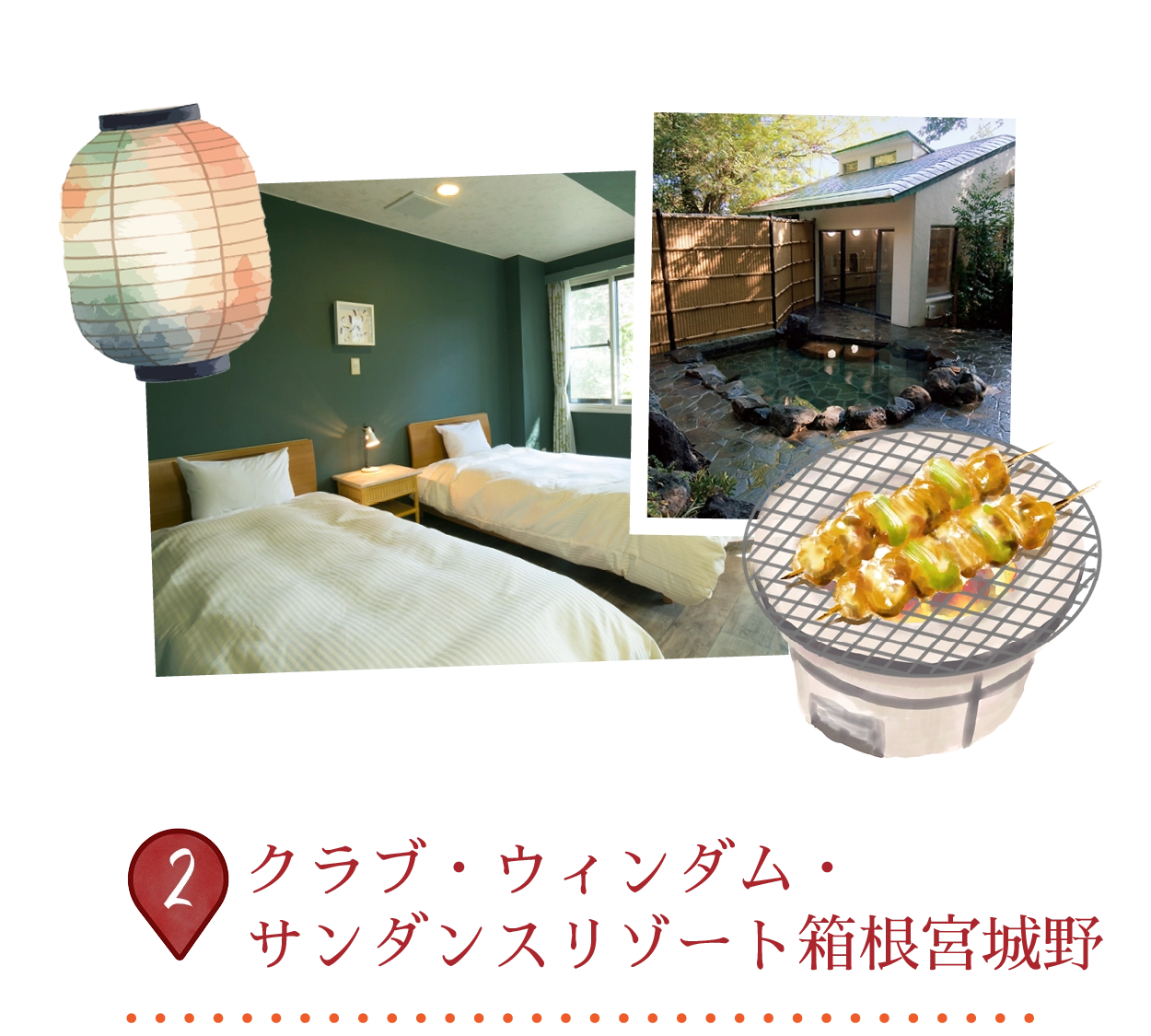
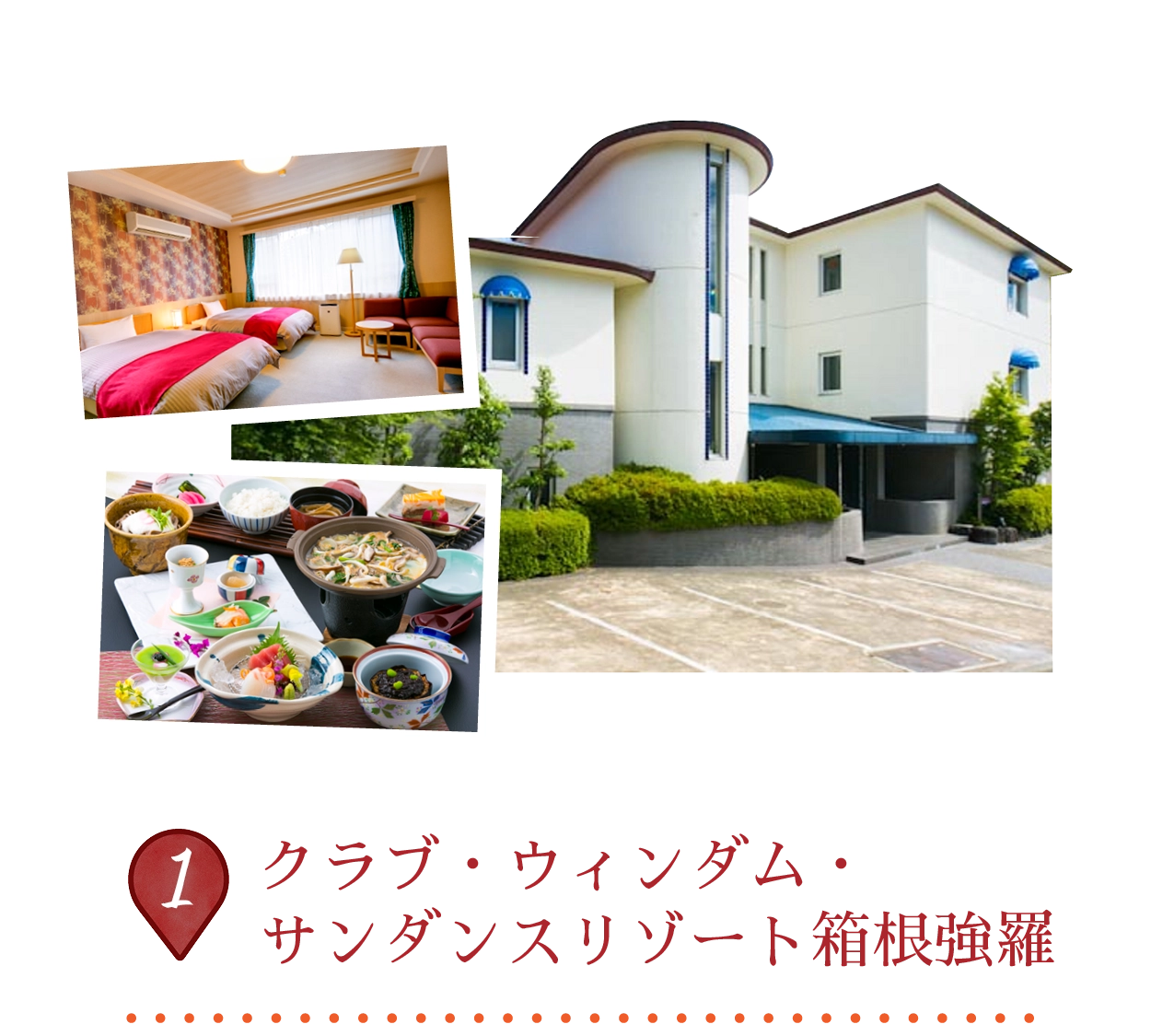
- 宿泊先:クラブウィンダム サンダンスリゾート箱根強羅
軽井沢(長野)
- ベストシーズン:夏(避暑)/秋(紅葉)
- おすすめの過ごし方(3案):
- 旧軽井沢のカフェ巡り
- 雲場池周辺の散策
- 軽井沢・プリンスショッピングプラザでショッピング
- 所要時間:東京から新幹線で約1時間
- おすすめタイプ:友人旅/カップル/夏の避暑旅
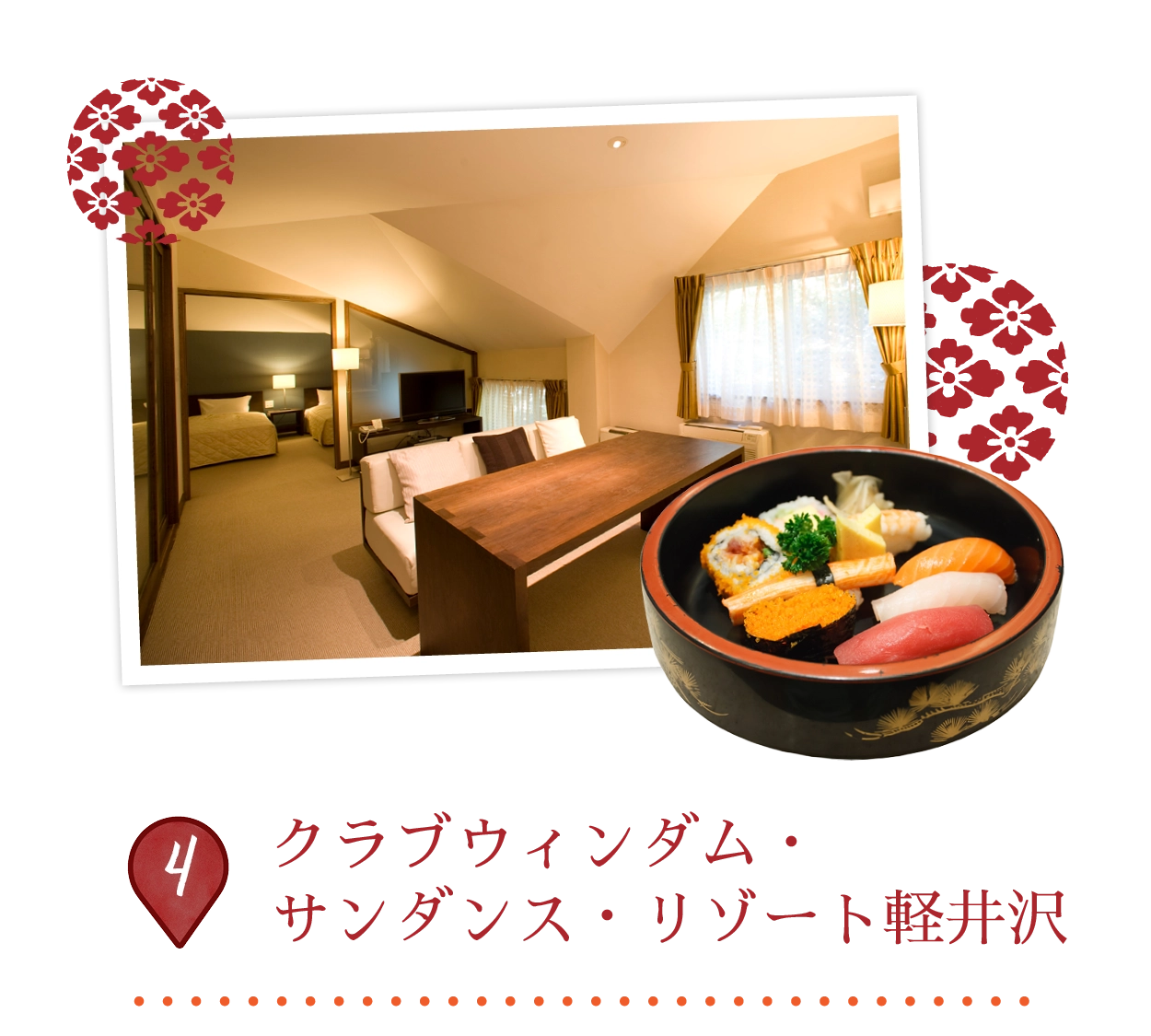
- 宿泊先:クラブウィンダム サンダンスリゾート軽井沢
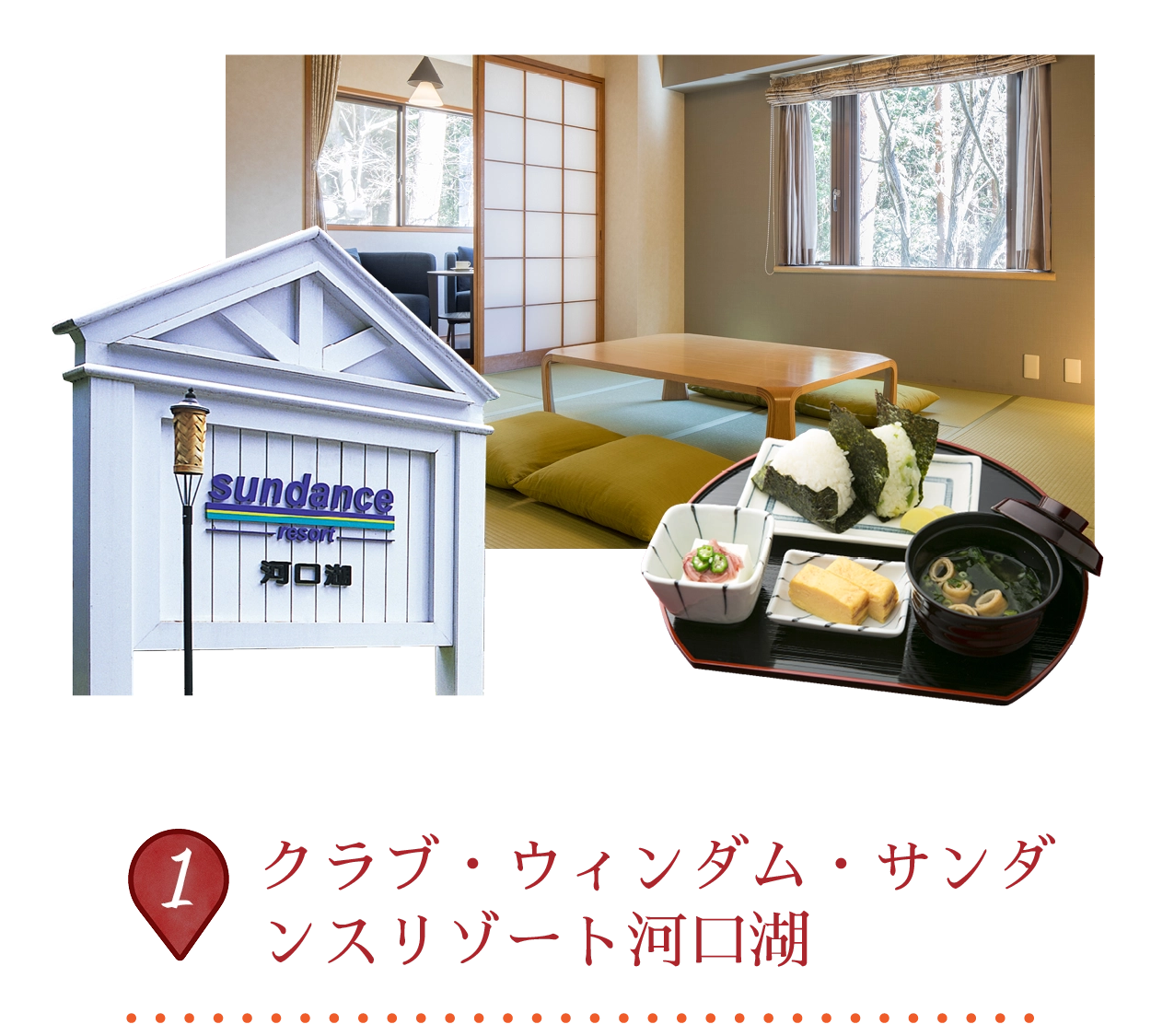
河口湖(山梨)
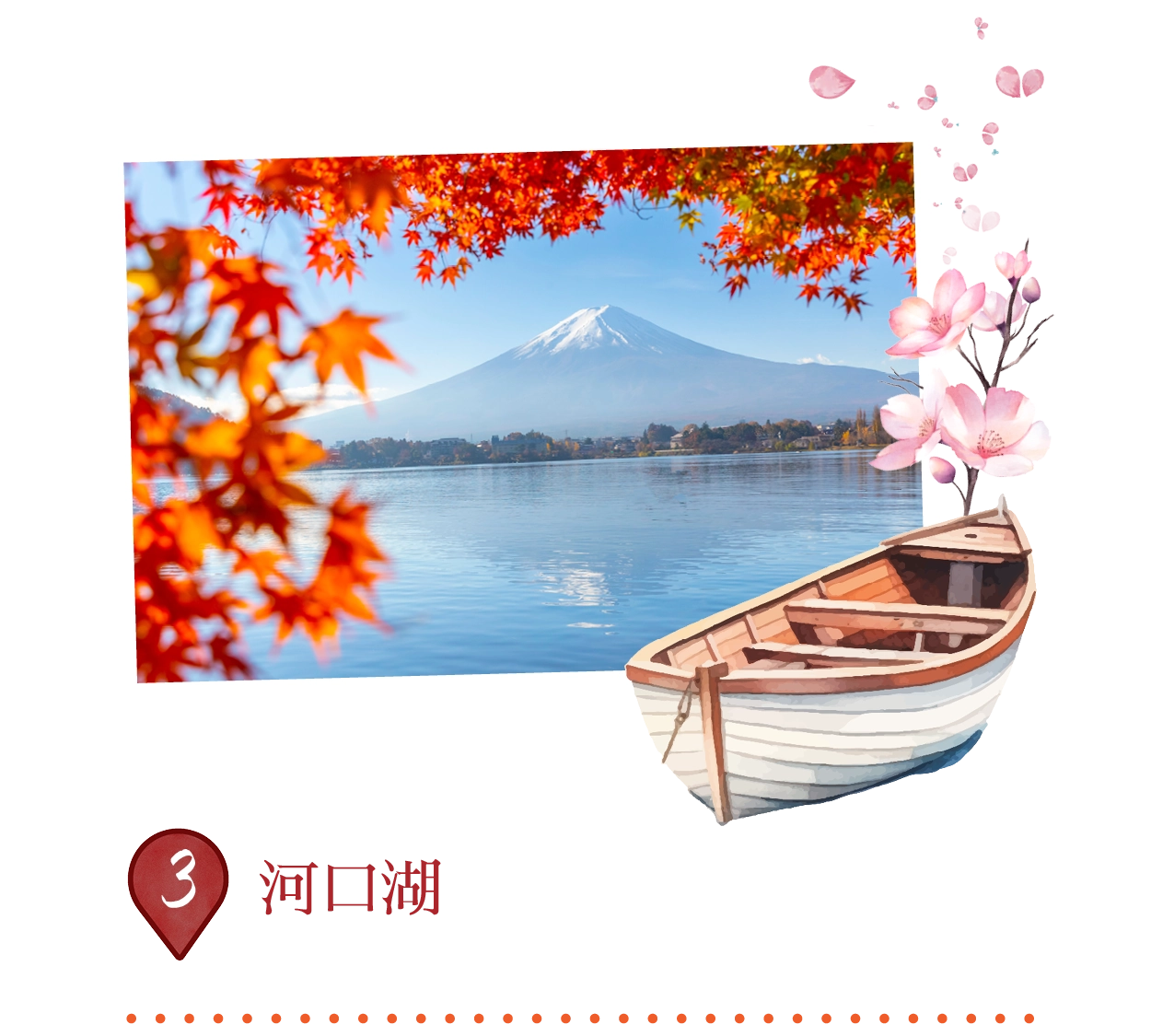
- ベストシーズン:冬(富士山の絶景)/春(桜)
- おすすめの過ごし方(3案):
- 富士山を望む湖畔散歩
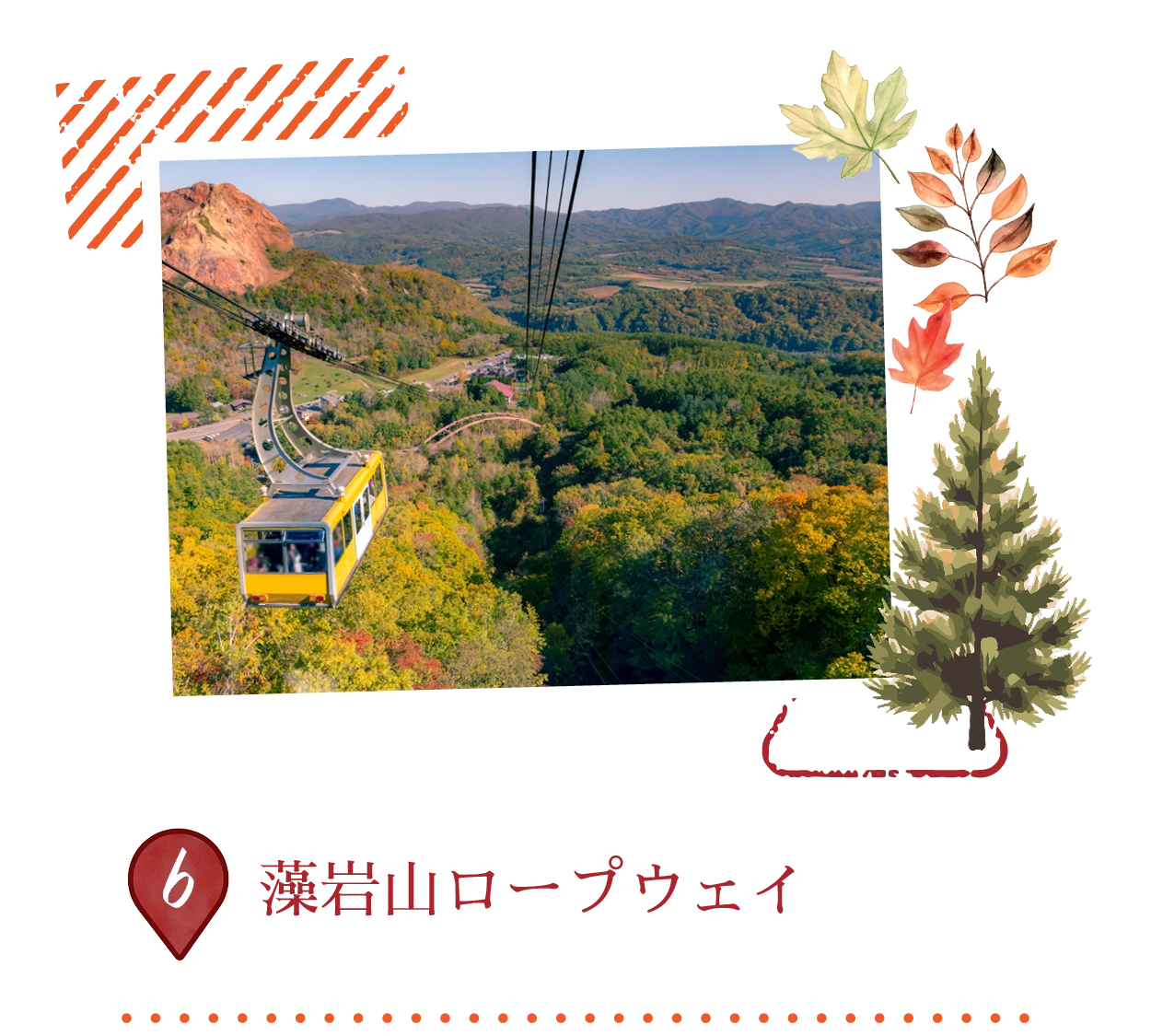
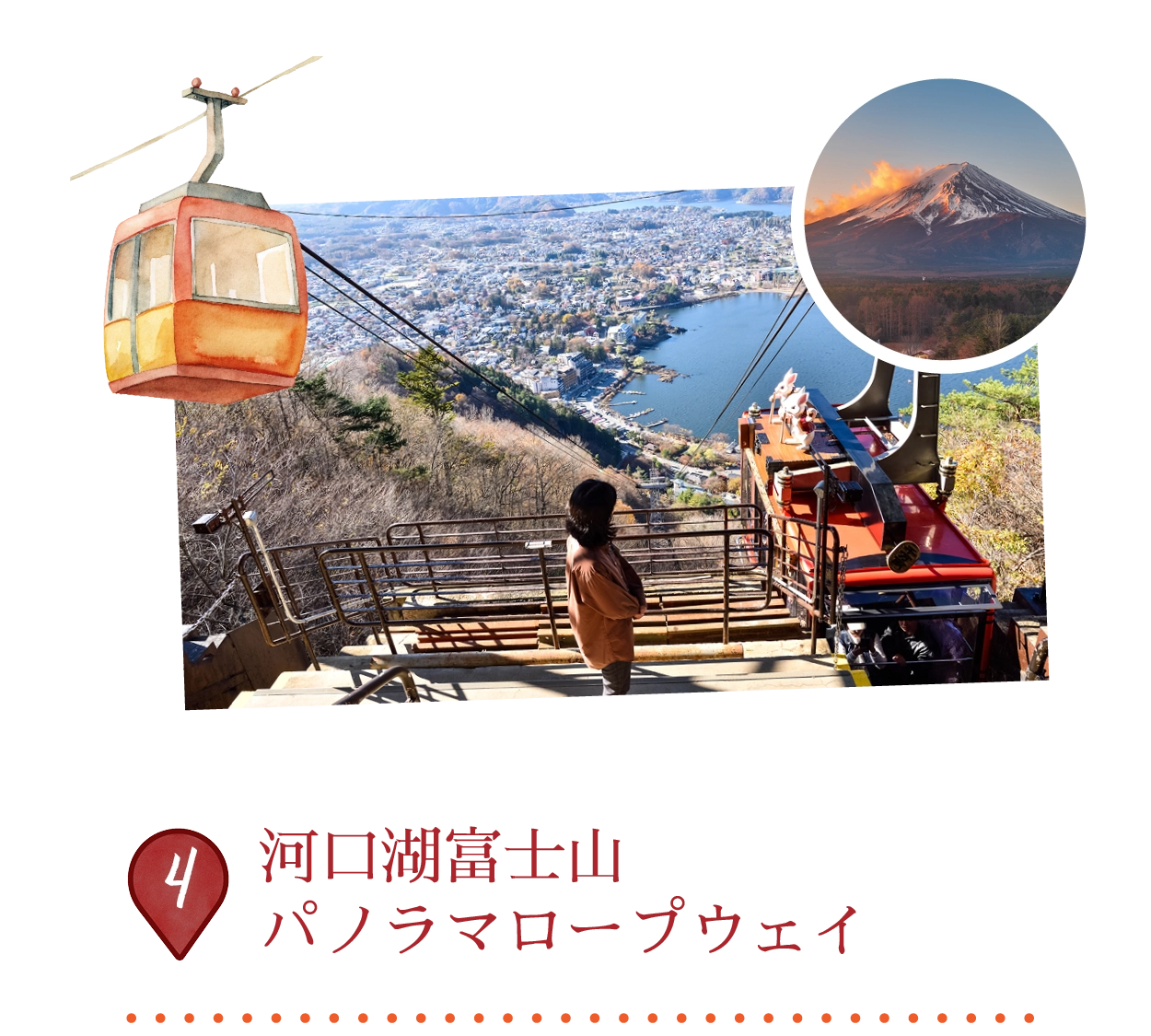
- ロープウェイで絶景を満喫
- 郷土料理「ほうとう」を味わう
- 所要時間:東京から約2時間
- おすすめタイプ:風景旅/写真撮影/ドライブ旅行
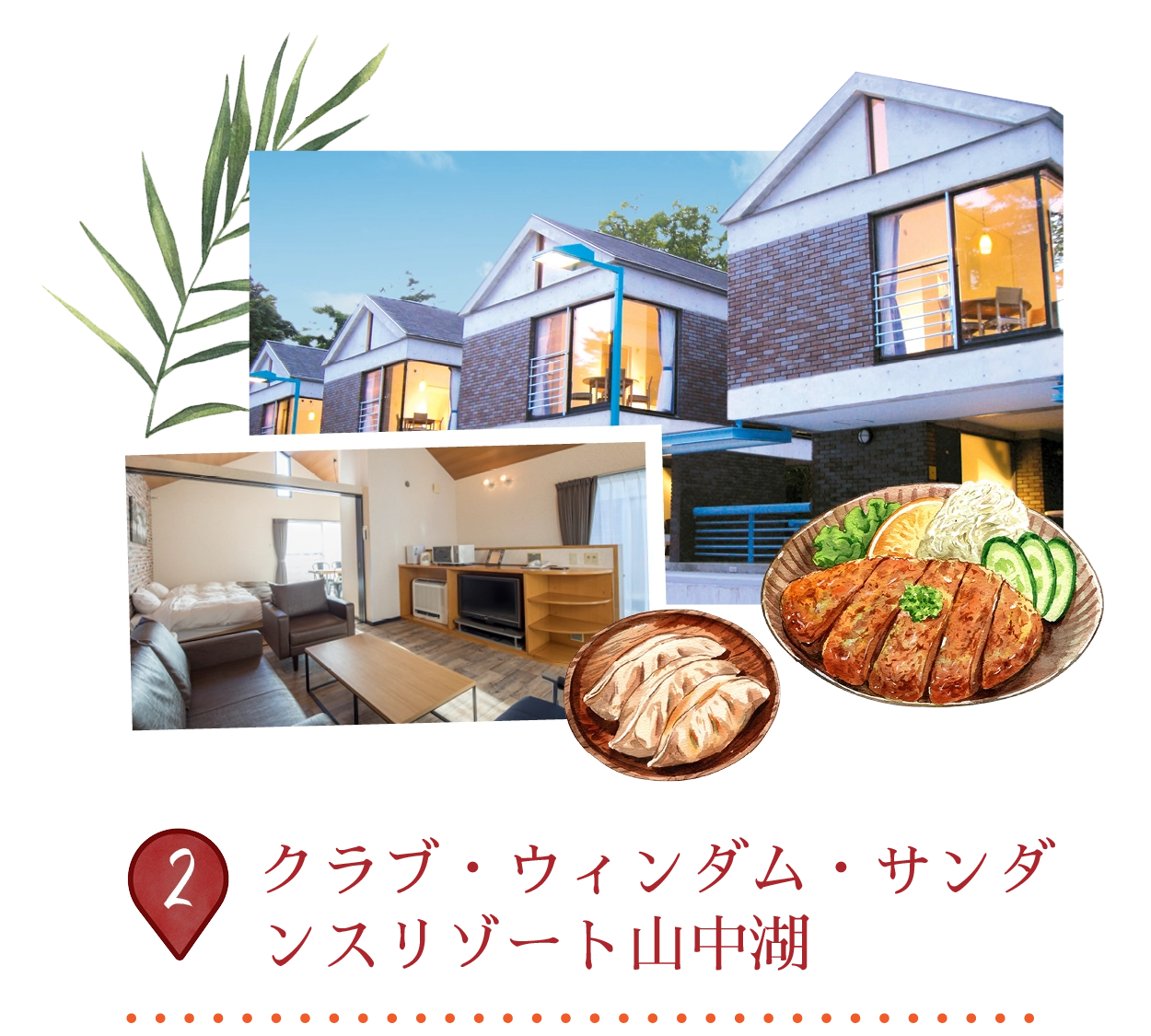
- 宿泊先:クラブウィンダム サンダンスリゾート山中湖
Best Places to Celebrate the New Year in Japan
During the New Year in Japan, many people focus on private family celebrations. Yet certain destinations pulse with a different rhythm, where ancient temple bells ring alongside countdown celebrations, restaurants stay open, and trains run all night to welcome the new year.
Tokyo
Tokyo is one of the best places to celebrate the New Year in Japan, as it offers an electrifying blend of contemporary countdown celebrations and timeless customs. While Shibuya Ward has officially cancelled New Year’s Eve events, crowds still gather informally at Shibuya Crossing. However, visitors should note the public drinking ban and the lack of official festivities.
Zojoji temple hosts a bell-ringing ceremony, with Tokyo Tower as a stunning backdrop. Major hotels, entertainment complexes, and department stores remain open, unlike in much of Japan, making Tokyo uniquely convenient for visitors. Overnight train services on New Year’s Eve operate on major JR lines (including Yamanote, Keihin-Tōhoku, and Chūō lines), though Tokyo Metro lines do not run all night.
This makes it easier to move between countdown venues and traditional Hatsumode shrine visits. Meiji Jingu and Sensoji Temple welcome millions of visitors for their first prayers of the year, with Sensoji’s Hatsumode celebrations featuring special ceremonies and a festive atmosphere.
Kyoto
Fushimi Inari Taisha, with its iconic thousands of vermilion torii gates, becomes a pilgrimage destination for Hatsumode, while the historic Gion district radiates traditional elegance. Temple hopping offers a glimpse into centuries-old rituals and moments of peaceful meditation.
However, travellers should anticipate more widespread closures of traditional restaurants and shops, particularly on the 1st to 3rd of January, making advance dining plans essential. The trade-off is an authentic immersion into Japan’s cultural heart, with fewer distractions.
Osaka
Dotonbori’s neon-lit waterfront comes alive with energetic street celebrations, creating one of Japan’s most dynamic New Year atmospheres. The district’s famous street food vendors and restaurants, many of which remain open throughout the holidays, add to a festive and accessible environment.
Traditional Hatsumode visits to Sumiyoshi Taisha, one of Japan’s oldest shrines, blend seamlessly with Osaka’s renowned culinary scene and vibrant nightlife, creating a balance between reverence and revelry.
Hokkaido
Japan’s northern frontier offers a completely different New Year experience, wrapped in pristine snow. World-class ski resorts in Niseko and Furano remain fully operational, with New Year festivities in full swing. At the same time, traditional onsen (hot spring) retreats offer the quintessential winter indulgence: soaking in outdoor baths amid steaming, snow-covered landscapes.
Pro tip: Travellers should check weather updates and potential transport delays before heading to Hokkaido.
Okinawa
The subtropical islands offer a stark contrast, with mild winter temperatures (15°C–20°C/59°F–68°F), beachside celebrations, and distinctive Ryukyuan New Year traditions follow the lunar calendar.
The Nago Cherry Blossom Festival, held on the last weekend of January, showcases Japan’s earliest cherry blossoms, a rare winter spectacle. Island-style festivities include awamori (Okinawan spirit) toasts and colourful ceremonies, offering respite from the cold weather while maintaining an authentic Japanese cultural experience.
Navigating the New Year in Japan: Travel Logistics and Tips
Travelling in Japan during the New Year means planning well in advance, as the entire country shifts into family-holiday mode.
Widespread Closures
As a part of the new year’s celebrations in Japan, many shops, banks, and attractions, including museums, traditional restaurants, and non-essential shops, close from late December through the 3rd or 4th of January. Reliable dining options include convenience stores (konbini), fast-food chains, hotel restaurants, and eateries within major shopping complexes.
Pro tip: Check opening hours for specific attractions in advance and plan accordingly.
Peak Congestion and Transportation
You can expect heavy domestic travel from the 29th to the 31st of December (as people leave major cities) and 2nd to the 4th of January (as they return). Secure seats on the Shinkansen (bullet train) and other long-distance trains well in advance; otherwise, standing-room tickets might be the only option.
Consider IC cards (Suica/Pasmo) and check public transport schedules for holiday changes. Major urban rail lines often run all night on New Year’s Eve to accommodate Hatsumōde crowds, though local services may run on a reduced holiday schedule from the 1st to the 3rd of January.
Budget and Accommodation
Book accommodation months ahead, especially if you want a traditional ryokan (quintessential Japanese stay) experience, as this is one of Japan’s busiest travel periods.
Weather and Packing
Winter conditions vary from cold and dry in Tokyo to heavy snowfall in northern regions like Hokkaido. Pack warm layers, a sturdy winter coat, and comfortable, warm footwear if you plan to queue outdoors at shrines while waiting for the clock to strike 12.
Attractions and Etiquette
Observe local etiquette by following posted signs, moving quietly, and allowing worshippers time to pray before taking photos or moving on. To avoid heavy crowds, plan shrine visits for early mornings or later in the week, as New Year’s Day and the 2nd of January tend to be the busiest.
Being mindful of timing and customs not only helps navigation easier but also allows you to experience Shōgatsu in a calmer, more authentic, and respectful way.
Where to Stay During the New Year in Japan
Your choice of accommodation can transform your New Year in Japan, from waking up to snow-capped mountain views to soaking in onsen baths as temple bells ring in the distance. The right location sets the stage for unforgettable memories, whether you’re seeking serene winter retreats, easy access to cultural celebrations, or family-friendly comfort.
Club Wyndham Asia operates over 15 thoughtfully located resorts throughout Japan, combining the warmth of Japanese hospitality with modern conveniences. The spacious suites and strategic positioning near major attractions make them ideal for families and groups celebrating the New Year.
Many properties are in regions where traditional customs remain vibrant, while modern amenities ensure a comfortable stay throughout the winter holidays.
Being mindful of timing and customs not only helps navigation easier but also allows you to experience Shōgatsu in a calmer, more authentic, and respectful way.
Top Club Wyndham Asia properties for New Year celebrations
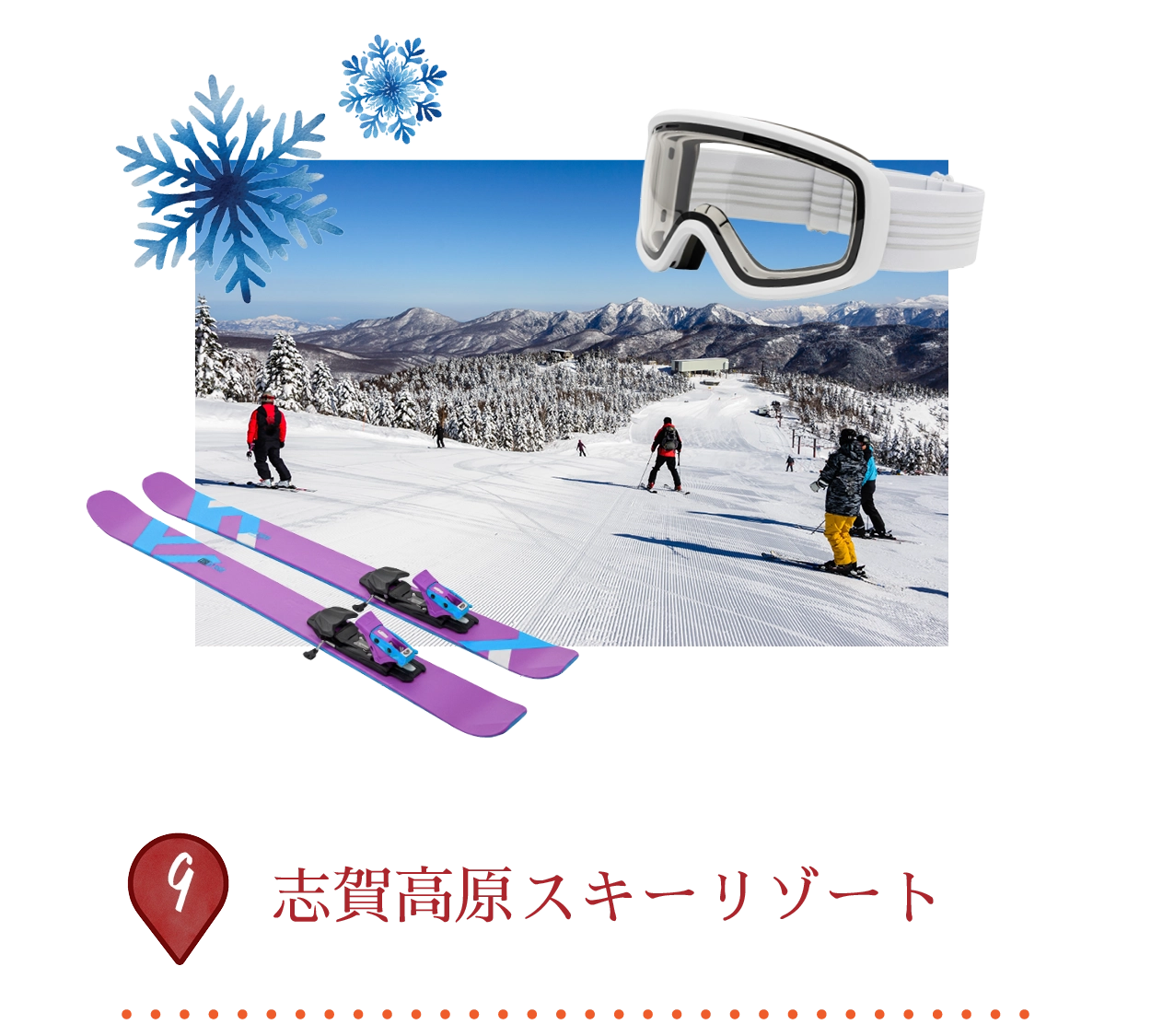
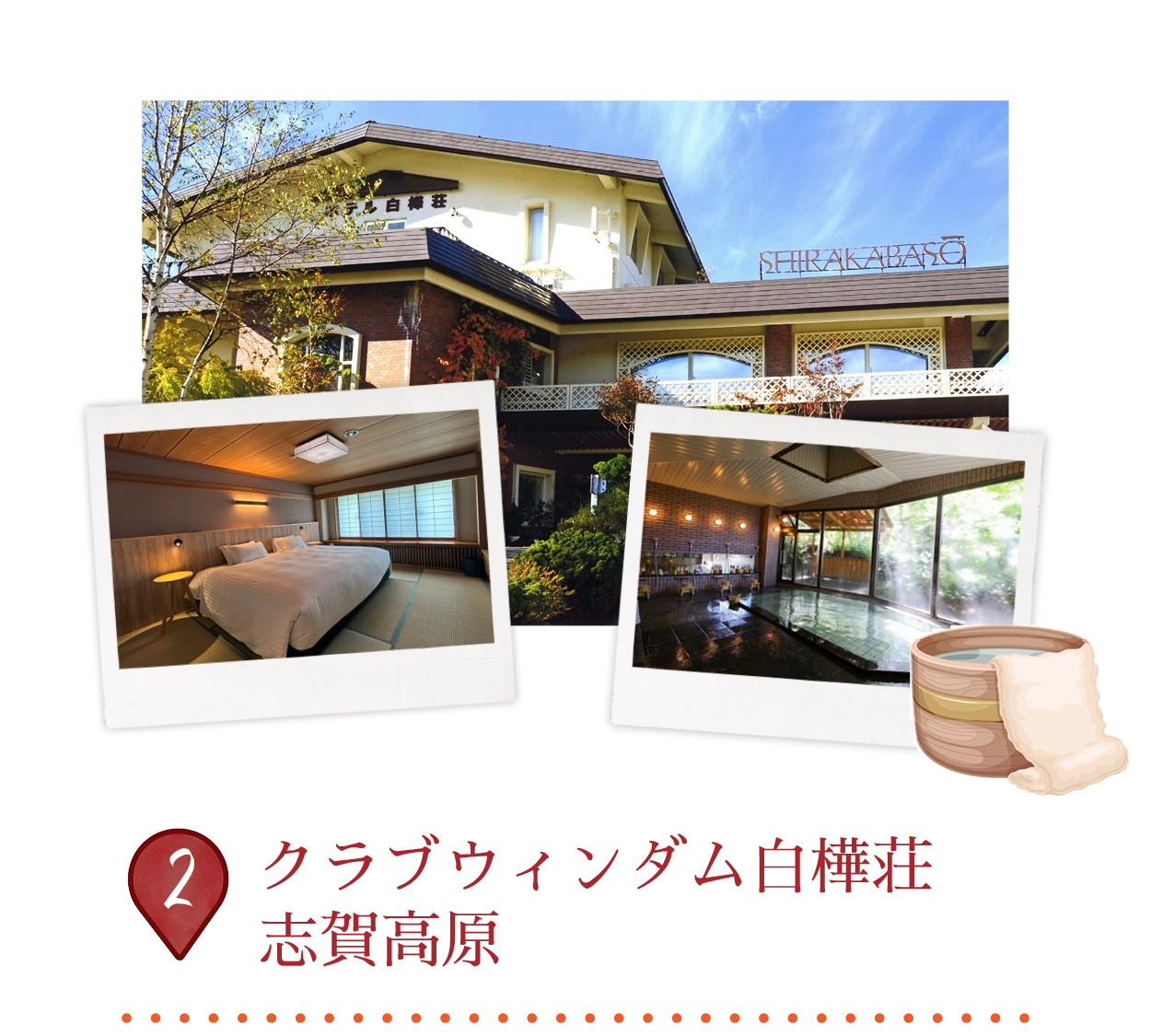
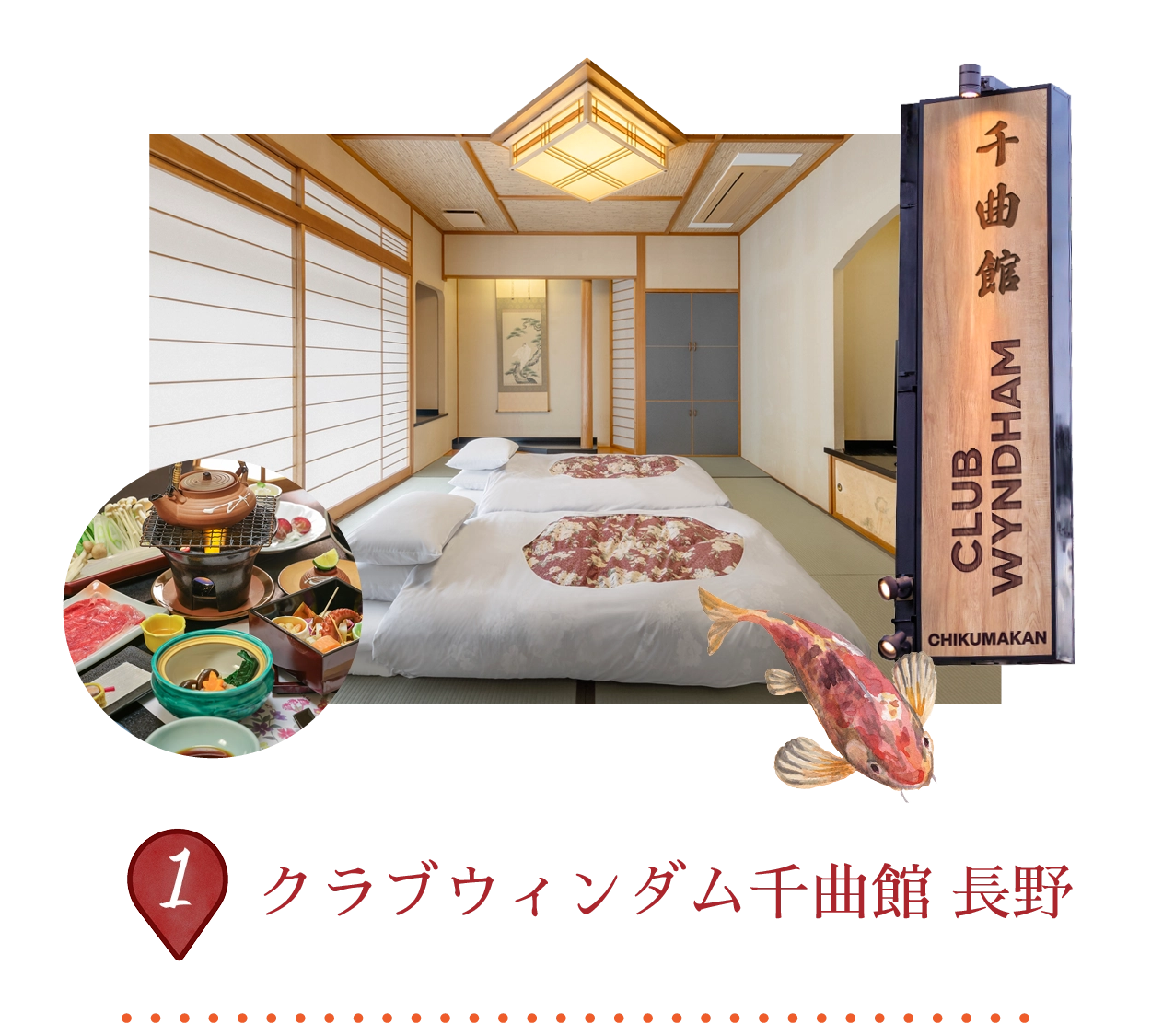
- Club Wyndham Shirakabaso Shiga-Kogen (Nagano): Nestled in Japan’s largest ski area within Joshin’etsu Kogen National Park, this ski-in/ski-out mountain retreat offers serene natural surroundings perfect for peaceful reflection.
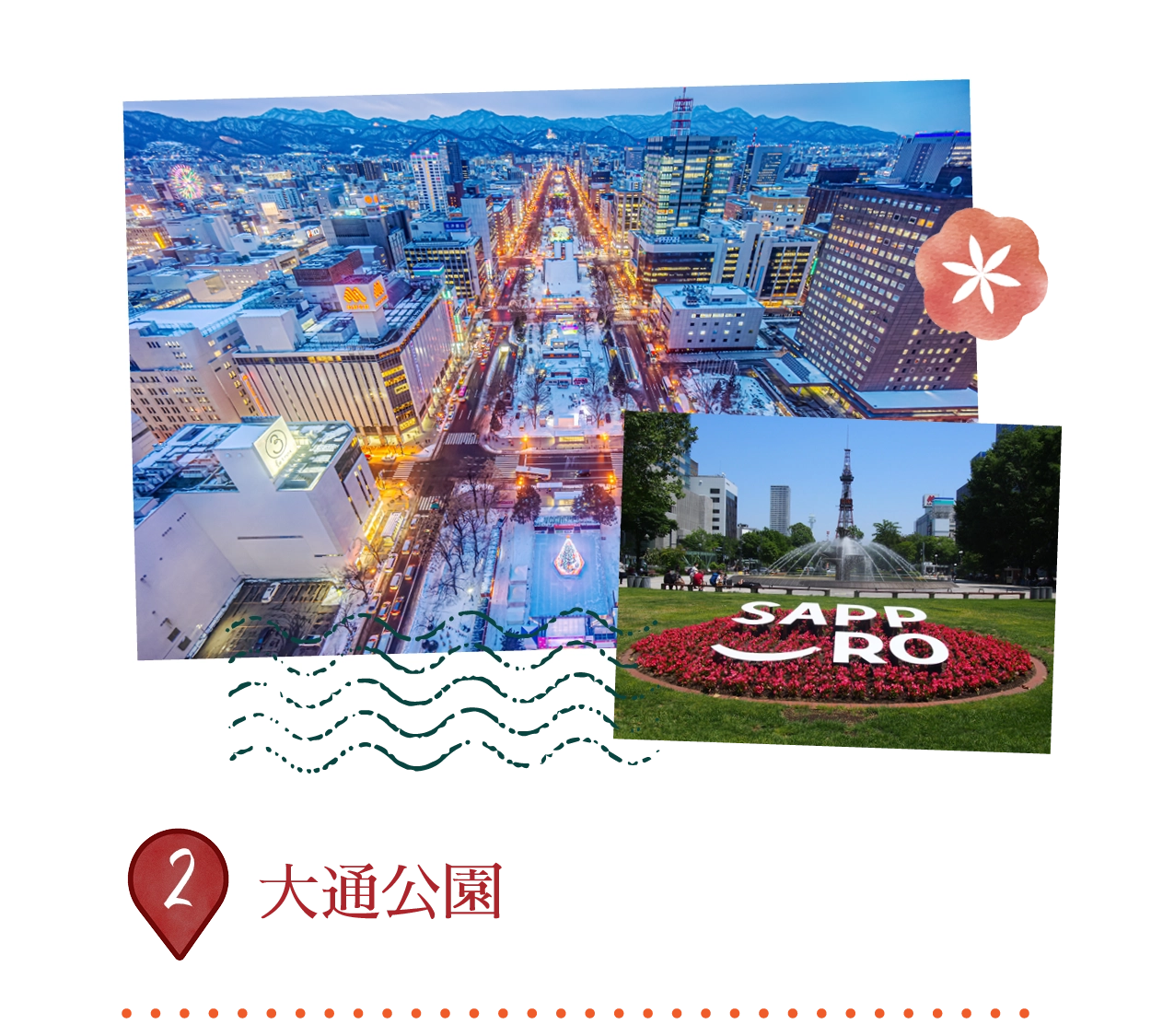
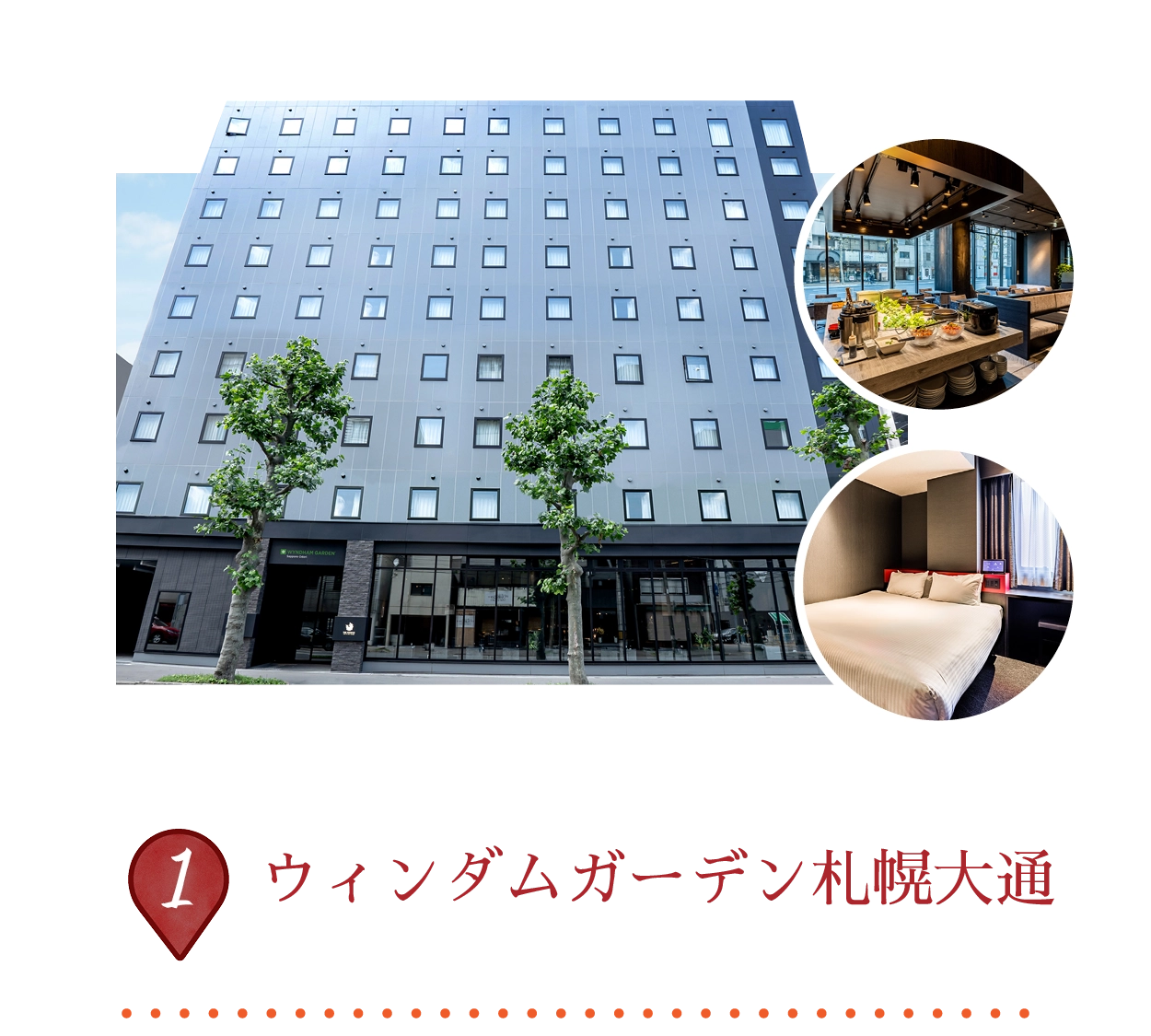
- Wyndham Garden Sapporo Odori (Hokkaido): Centrally located just minutes from Tanukikoji Shopping Street and Odori Park, this resort balances urban convenience with access to Hokkaido’s legendary winter landscapes, making it ideal for combining city exploration with nearby ski resorts.
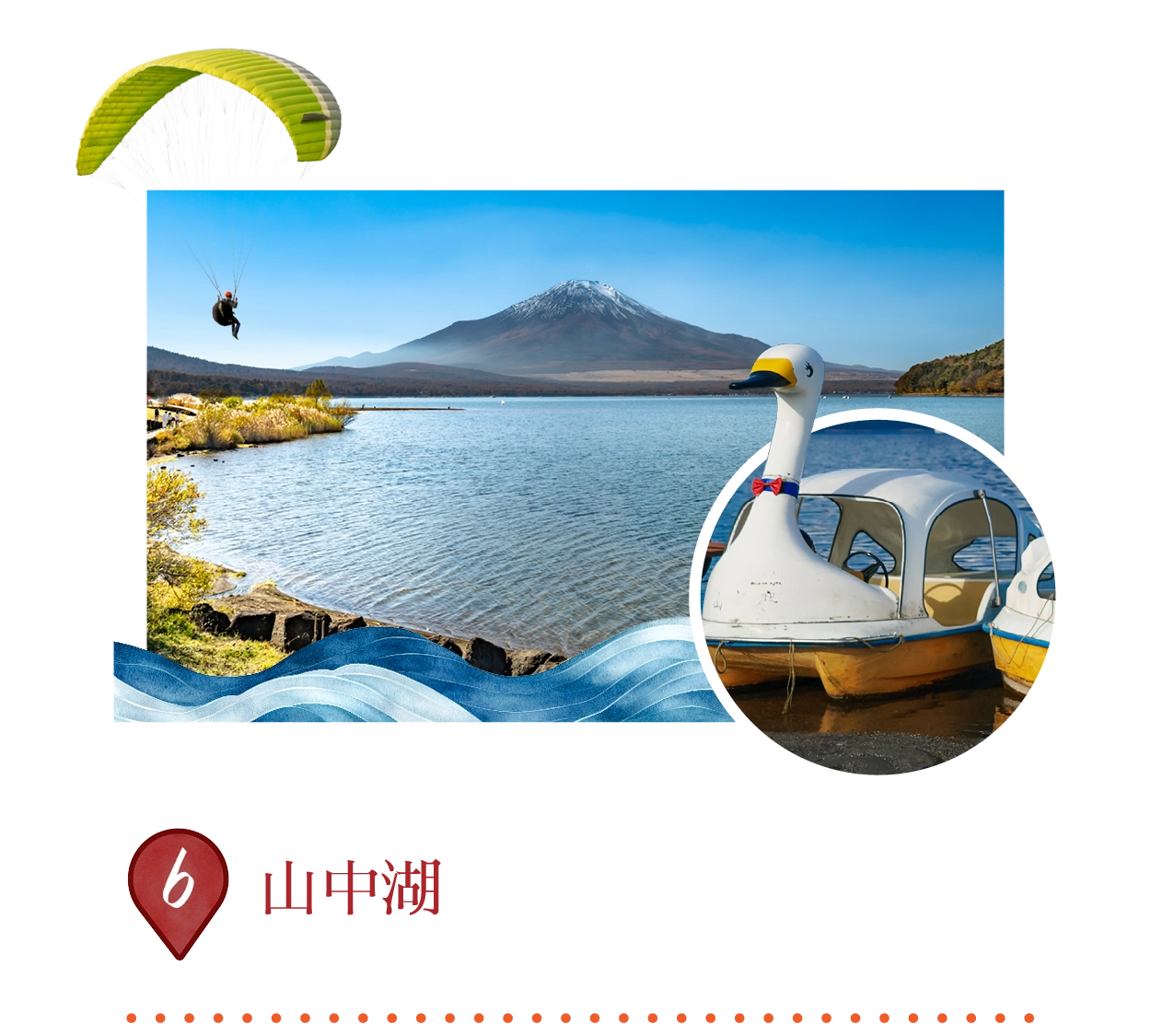
- Club Wyndham Sundance Resort Yamanakako (Yamanashi): Situated near pristine Lake Yamanaka, this resort offers a tranquil lakeside setting that captures the essence of Japan’s natural beauty during winter.
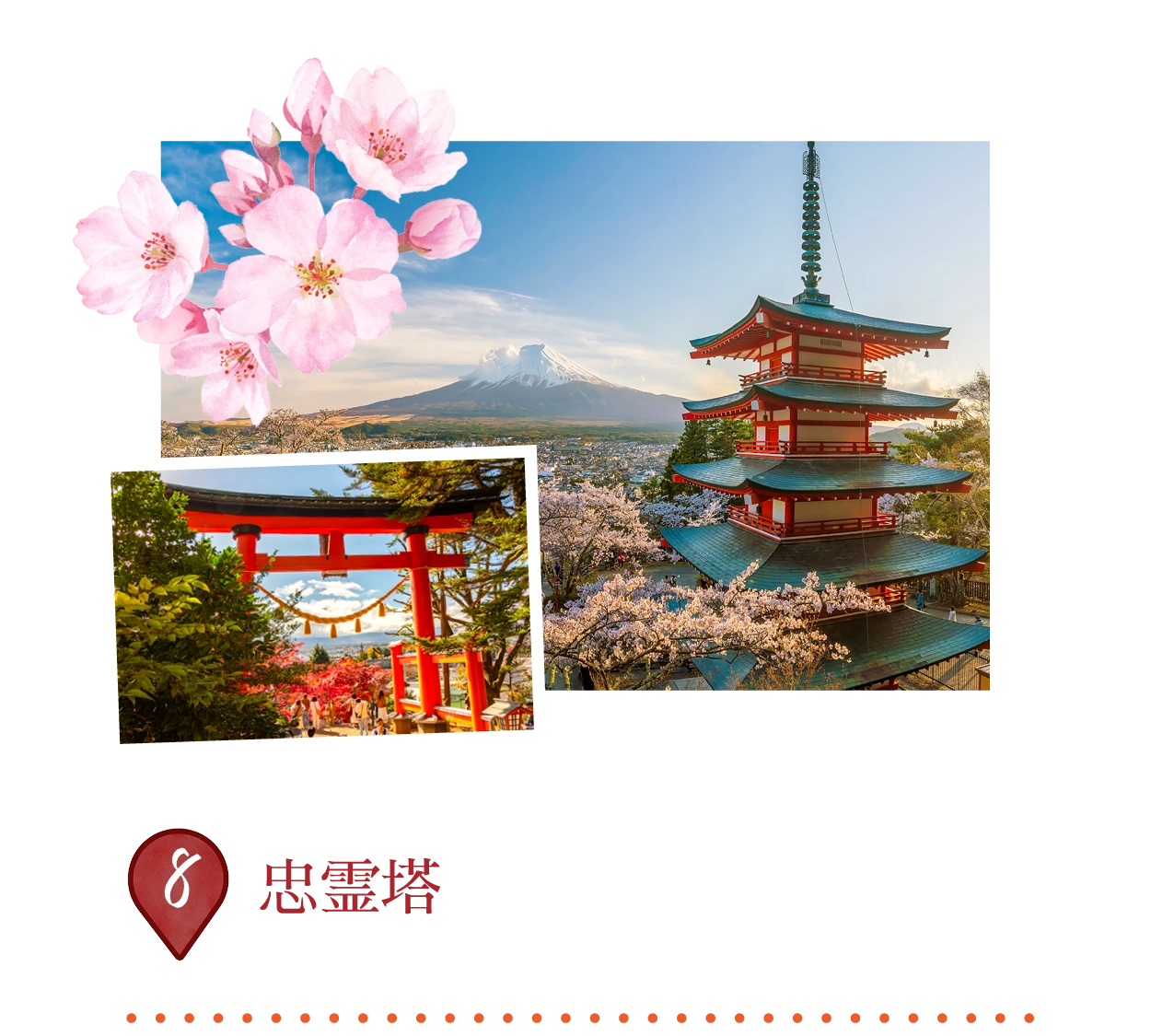
- Club Wyndham Sundance Resort Kawaguchiko (Yamanashi): Set in the scenic foothills of Mount Fuji near Lake Kawaguchi, this resort offers spectacular winter vistas of Japan’s iconic peak, perfect for hatsuhinode, the first sunrise of the new year.
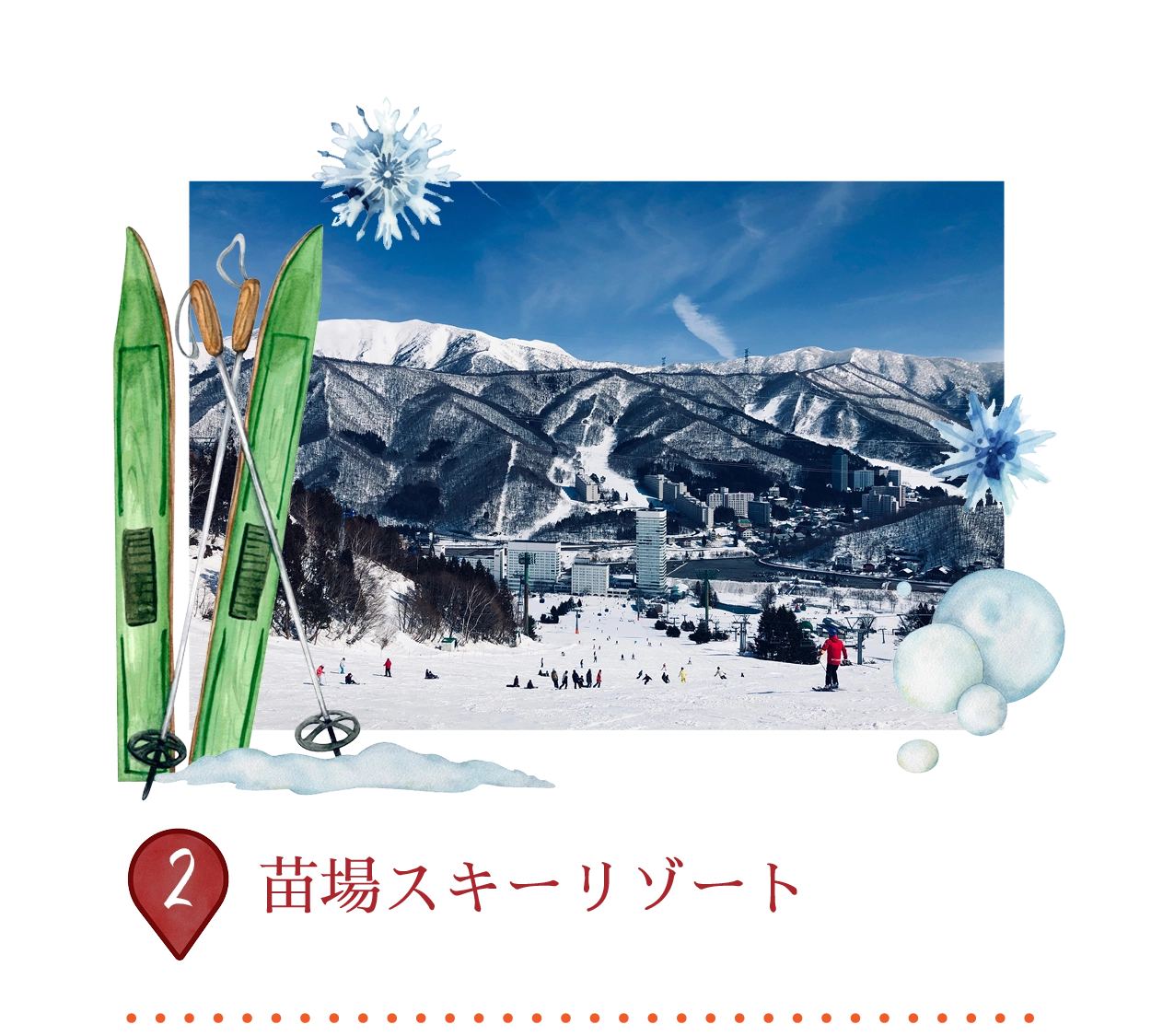
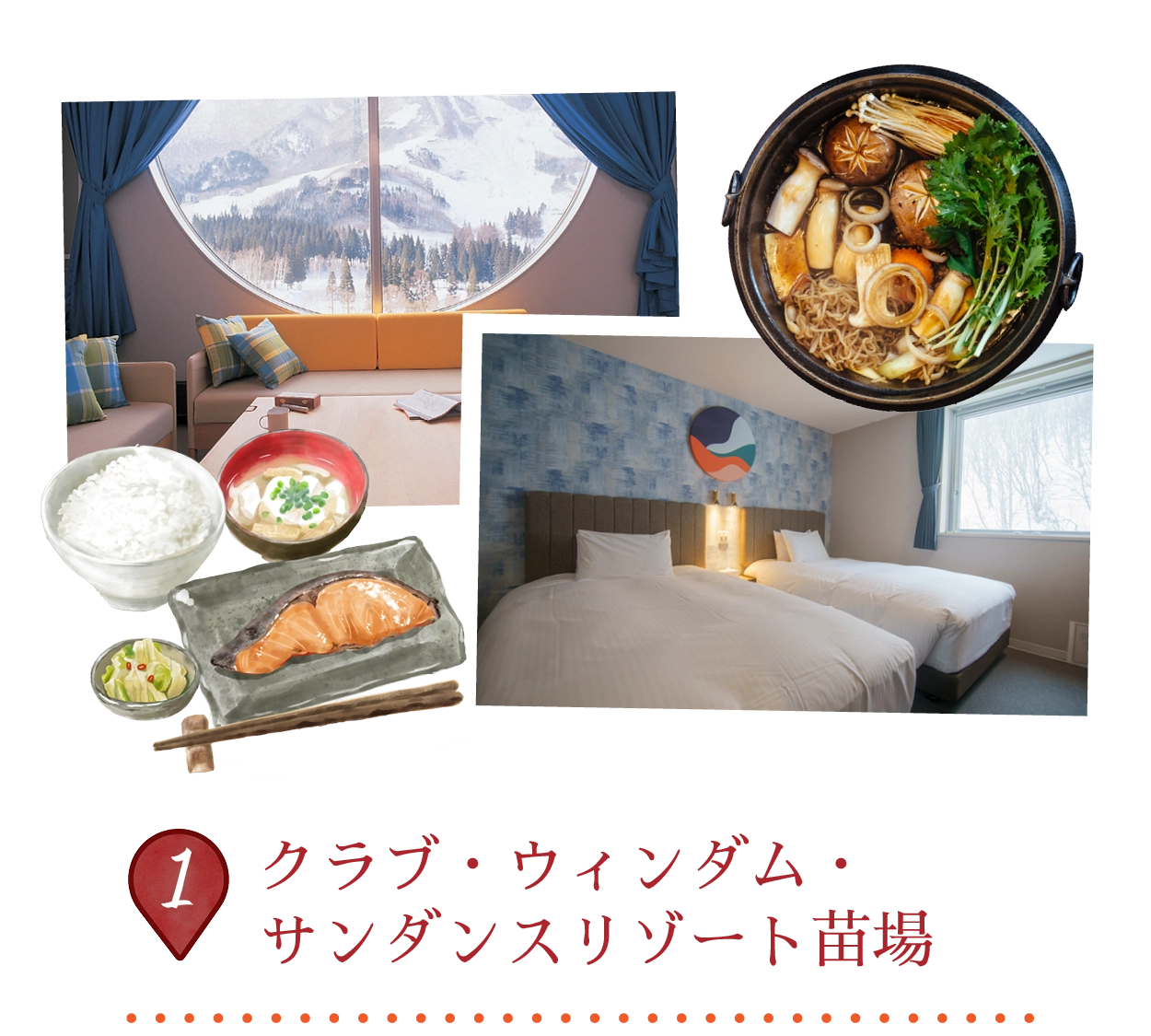
- Club Wyndham Sundance Resort Naeba (Niigata): Experience a white New Year at this resort, located in one of Japan’s premier ski destinations, where luxury meets the thrill of winter sports.
- Club Wyndham Sundance Resort Hakone-Miyagino (Kanagawa): Immerse yourself in authentic Japanese hot spring culture while enjoying potential Mount Fuji views (weather permitting). This onsen resort combines traditional relaxation with easy access to Hakone’s renowned attractions and scenic beauty.
Explore all Club Wyndham Asia Japan locations here.
Make Your New Year in Japan Truly Unforgettable
There’s a profound sense of renewal in celebrating the New Year in Japan, where ancient traditions and modern celebrations intertwine seamlessly. From the resonant toll of temple bells at midnight and the first sunrise of the year, to steaming bowls of toshikoshi soba and the excitement of Hatsumōde shrine visits, every moment holds beauty and a sense of being truly alive.
Let Club Wyndham Asia be your home for this extraordinary journey through Japan’s most meaningful celebration. With comfortable accommodations thoughtfully positioned across the country’s most captivating regions, your New Year adventure becomes effortless, allowing you to focus on making memories, embracing traditions, and welcoming the new year with wonder and true happiness.
Make Your New Year in Japan Truly Unforgettable
There’s a profound sense of renewal in celebrating the New Year in Japan, where ancient traditions and modern celebrations intertwine seamlessly. From the resonant toll of temple bells at midnight and the first sunrise of the year, to steaming bowls of toshikoshi soba and the excitement of Hatsumōde shrine visits, every moment holds beauty and a sense of being truly alive.
Let Club Wyndham Asia be your home for this extraordinary journey through Japan’s most meaningful celebration. With comfortable accommodations thoughtfully positioned across the country’s most captivating regions, your New Year adventure becomes effortless, allowing you to focus on making memories, embracing traditions, and welcoming the new year with wonder and true happiness.
Frequently Asked Questions (FAQs)
Is the New Year a good time to visit Japan?
Yes! While some shops and businesses close, it’s one of the most culturally enriching times to visit. You’ll enjoy quiet cities, festive shrines, beautiful winter scenery, and a unique atmosphere.
Where are the best places to celebrate the New Year in Japan?
You can find distinct experiences in Tokyo, Kyoto, Osaka, Hokkaido, and Okinawa, from temple visits to fireworks and ski holidays.
What should I do in Japan during the New Year?
Experience Hatsumōde (first shrine visit), watch the first sunrise (hatsuhinode), enjoy traditional osechi ryori and toshikoshi soba, participate in temple bell ceremonies, and explore winter festivals.
Are tourist attractions, shops, and restaurants open during the New Year holidays?
Most independent shops, museums, and many restaurants close from around the 31st of December to the 3rd or 4th of January. Most shrines, temples, and major landmarks often remain open for festive visitors. Tourist attractions in major city centres, large hotels, and convenience stores (konbini) provide the most reliable options for dining and basic needs.
How do you say "Happy New Year" in Japanese?
Say “Akemashite omedetou gozaimasu” (あけましておめでとうございます) as a polite and warm New Year greeting.
Is it very crowded to travel around New Year's in Japan?
Yes. Transportation gets congested both before and after the 1st of January due to mass domestic travel. Shrines for Hatsumōde also experience intense crowds, with wait times of one to three hours at major sites.
Do they have fireworks and big parties for New Year's in Japan?
Traditional Japanese New Year celebrations are quiet and contemplative, focusing on family, shrine visits, and the 108-bell ring (Joya no Kane) at temples. Unlike many Western cities, fireworks are not exactly a New Year’s tradition in Japan. Fireworks are generally considered a summertime activity.
Some locations do hold winter fireworks around the New Year, though not necessarily on New Year’s Eve. Locations like Shin-Kohutoh Terminal and Oosanbashi Pier in Yokohama host fireworks shortly after midnight on the 1st of January.


〒250-0408 神奈川県足柄下郡箱根町強羅1300-457

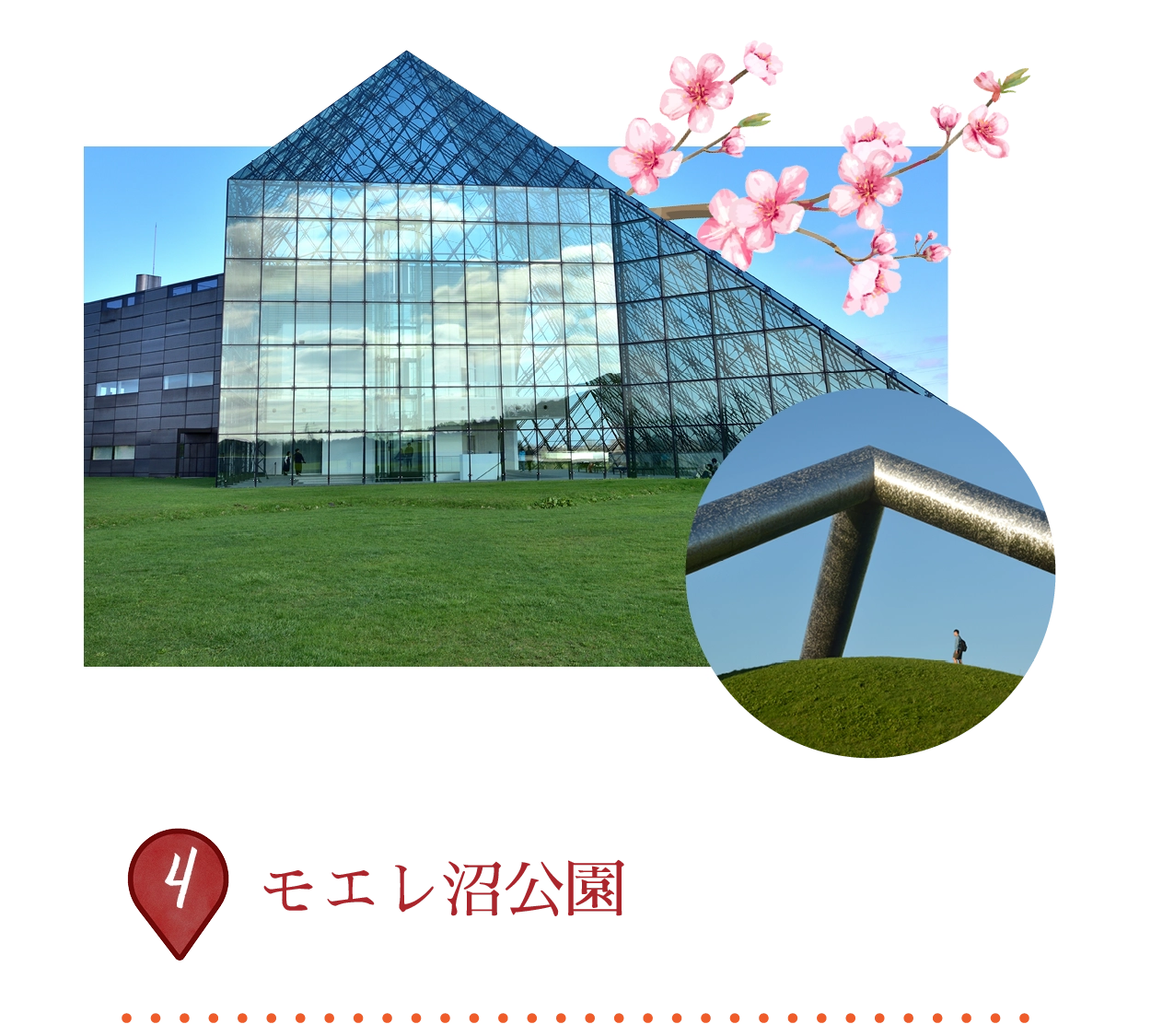
東区モエレ沼公園1-1、札幌市、北海道007-0011、日本
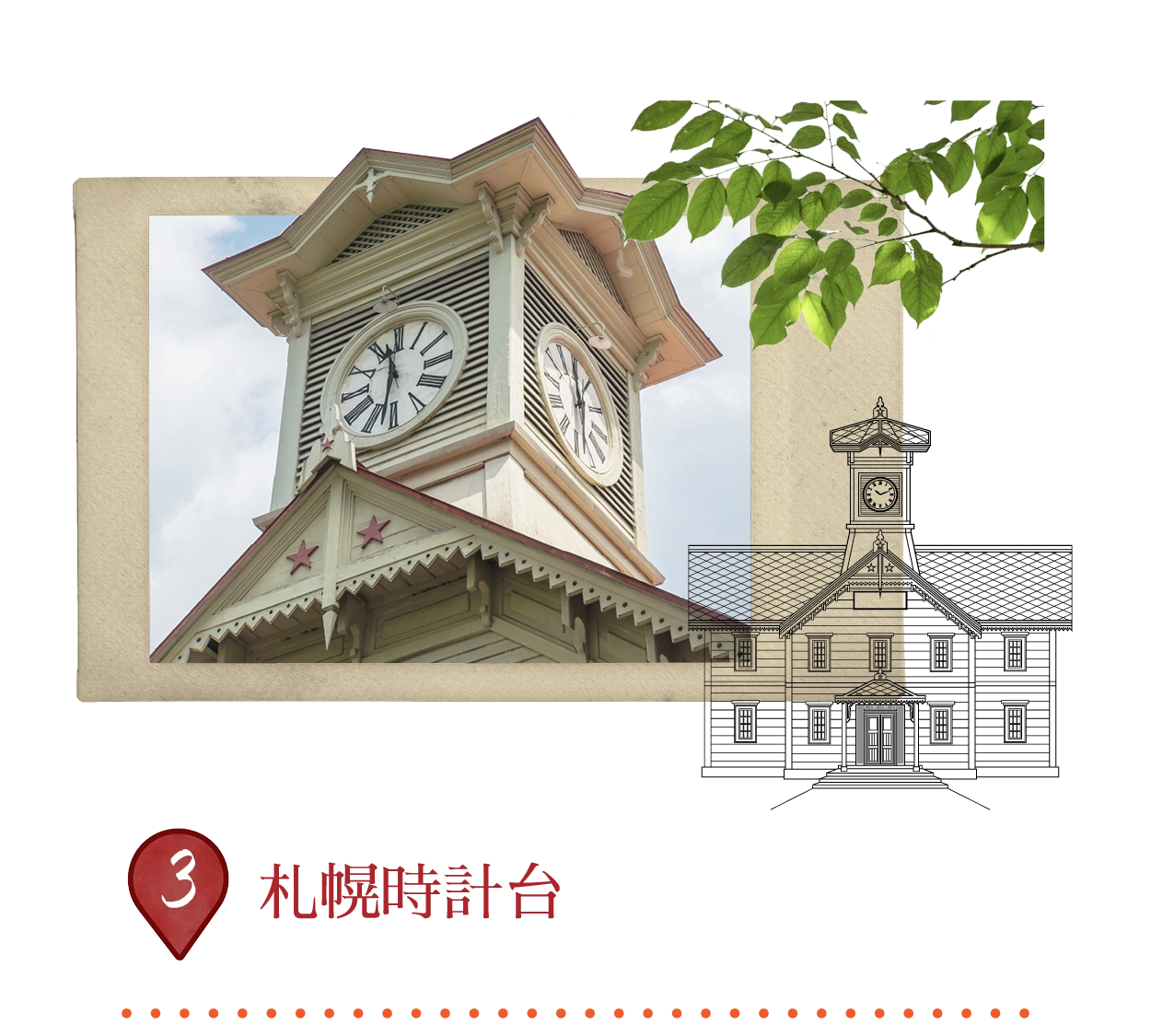
中央区宮ヶ丘474、札幌市、北海道064-8505、日本
中央区伏見5丁目3-7、札幌市、北海道064-0942、日本
中央区宮ヶ丘3丁目1、札幌市、北海道064-0959、日本