Travel Planning for the New Year (2026): Trends, Tips & Destinations to Know
The new year signals the beginning of a new chapter, and instead of rushing into bookings or waiting until the last minute, you can shape your travel ideas for the new year with intention and ease.
This guide will walk you through practical planning steps, new year travel destinations and other must-visit places, budgeting strategies, and tips for managing travel stress. Whether you want to explore hidden corners of Asia, visit wellness retreats, or simply spend quality time with family, this approach helps you travel more and worry less.
Key Highlights
- Early planning secures better prices and smoother itineraries.
- Choose to focus on slow travel, local experiences, and meaningful journeys.
- Realistic travel goals simplify decision-making.
- Budget planning and flexible booking reduce financial pressure.
- Understanding current trends will help you choose destinations that match your values.

How to Plan Your Travels for the New Year
1. Set your new year travel goals
Set clear goals, as they make choosing destinations, managing budgets, and planning meaningful experiences much easier. Start by identifying what you want out of your trip, whether it’s adventure, relaxation, culture, nature, food, or personal growth.
Think about your travel mood. Do you want rest and reset through spa breaks and wellness retreats? Are you seeking adventure and discovery through new cultures and bucket-list trips? Or do you want togetherness with family reunions and celebrations?
When you match travel goals to your emotional needs, your holiday becomes more rewarding. Write down three to five core themes for your travel destinations in the new year, as they will guide your booking decisions.
2. Key 2026 travel trends to know
Travelling in 2026 is more about value, sustainability, and deeper cultural connections. Understanding these helps you plan smarter and choose experiences that are meaningful to you.
- Travellers want longer stays, fewer destinations, and richer experiences. Instead of cramming five cities into one week, people prefer spending a week in one region to truly understand a place.
- Meaningful travel emphasises community-led tours, cultural immersion, and nature-focused experiences. 2026 marks a shift toward local exploration, with travellers seeking authentic adventures rather than tourist hotspots.
- Emerging destinations outside typical hotspots offer better value. Seven of the top 10 trending destinations for 20261 are in Eastern Europe, including Sofia, Prague, and Sarajevo.
- Wellness retreats and mindful escapes continue growing. More travellers are consciously seeking destinations and activities that support physical, mental, and emotional health.
- AI-assisted planning tools are becoming mainstream for future trip planning, making itinerary creation easier and more personalised.
3. Choosing travel destinations for 2026
In 2026, travellers are prioritising value, authenticity, wellness, and flexibility, making destination choice more important than ever. Here are some emerging trends and destinations.
- Eastern Europe and the Balkans
Cities like Sofia, Bulgaria, offer a classic European atmosphere with rich history, local cuisine, and green spaces. Prague, Czech Republic, blends fairy-tale architecture with a vibrant cultural scene, while Sarajevo, Bosnia and Herzegovina, provides deep historical context and authentic experiences away from overtourism. Kraków, Poland, also remains a strong option for travellers looking for value paired with heritage.
- Lesser-known Mediterranean destinations
They are ideal for those craving slow travel and food-driven experiences. Secondary cities in Greece and coastal villages in Albania deliver authentic Mediterranean living at lower costs than traditional hotspots. These destinations encourage peaceful lunches, local markets, and relaxed exploration.
- Southeast Asia
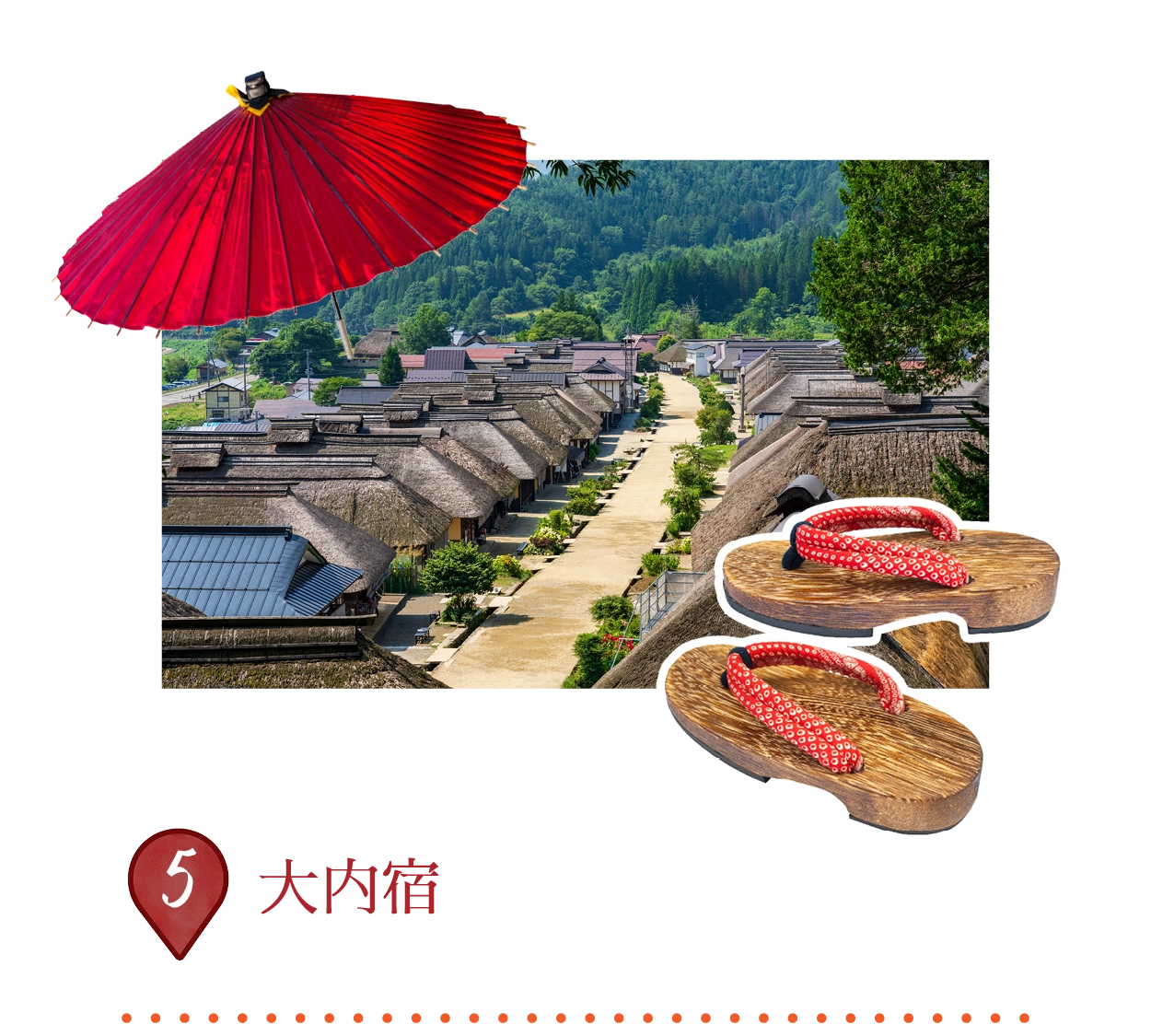
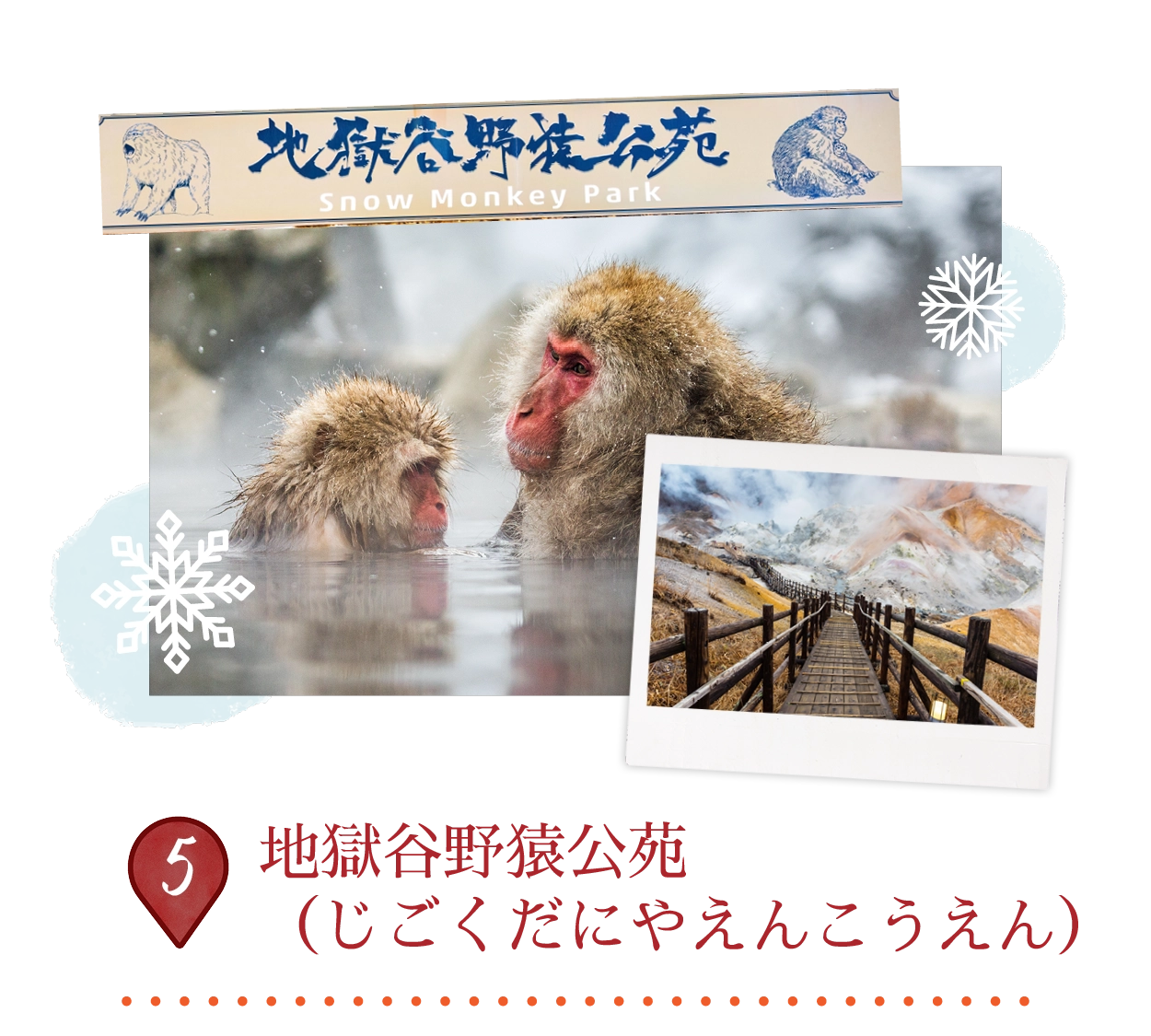
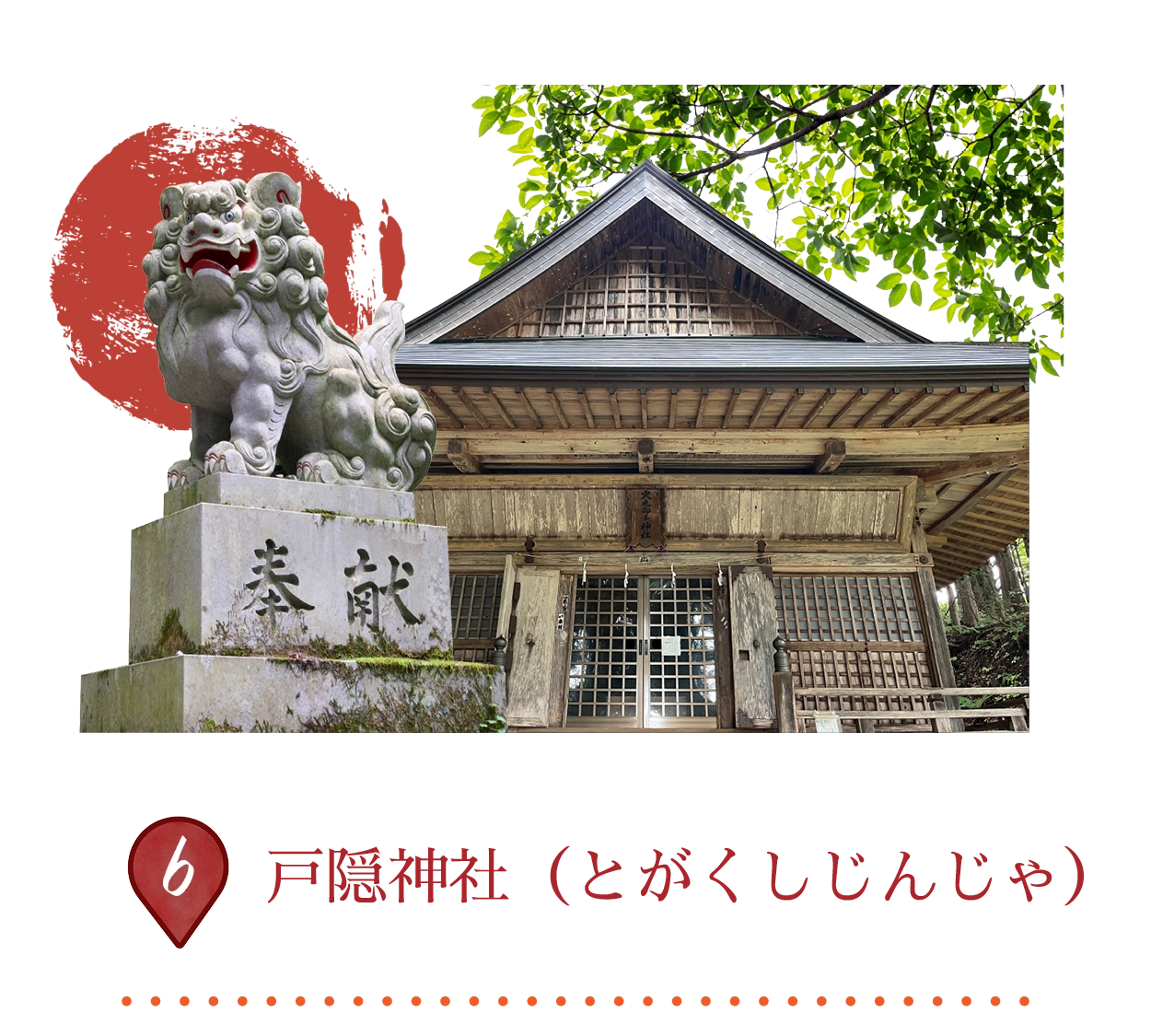
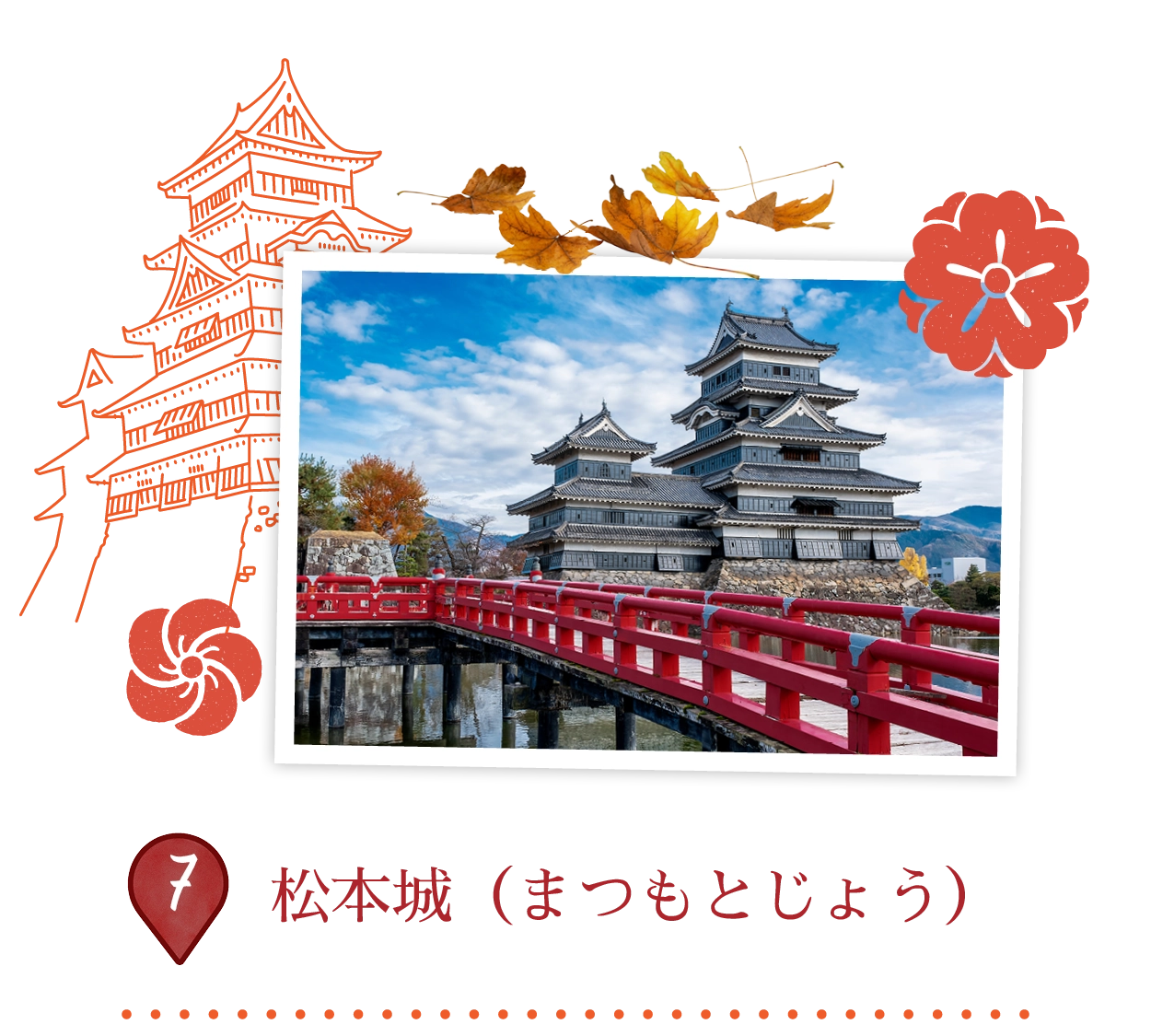
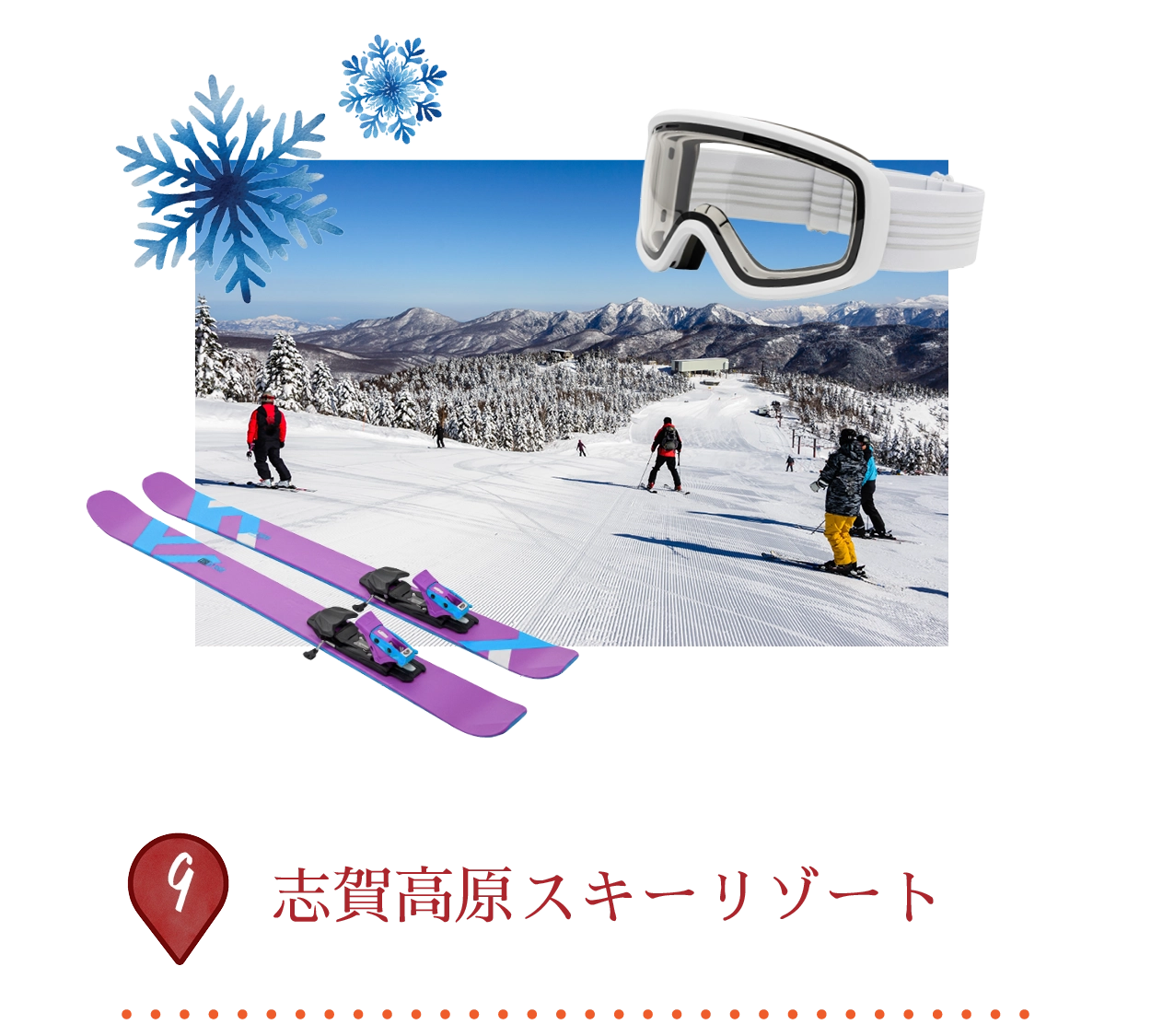
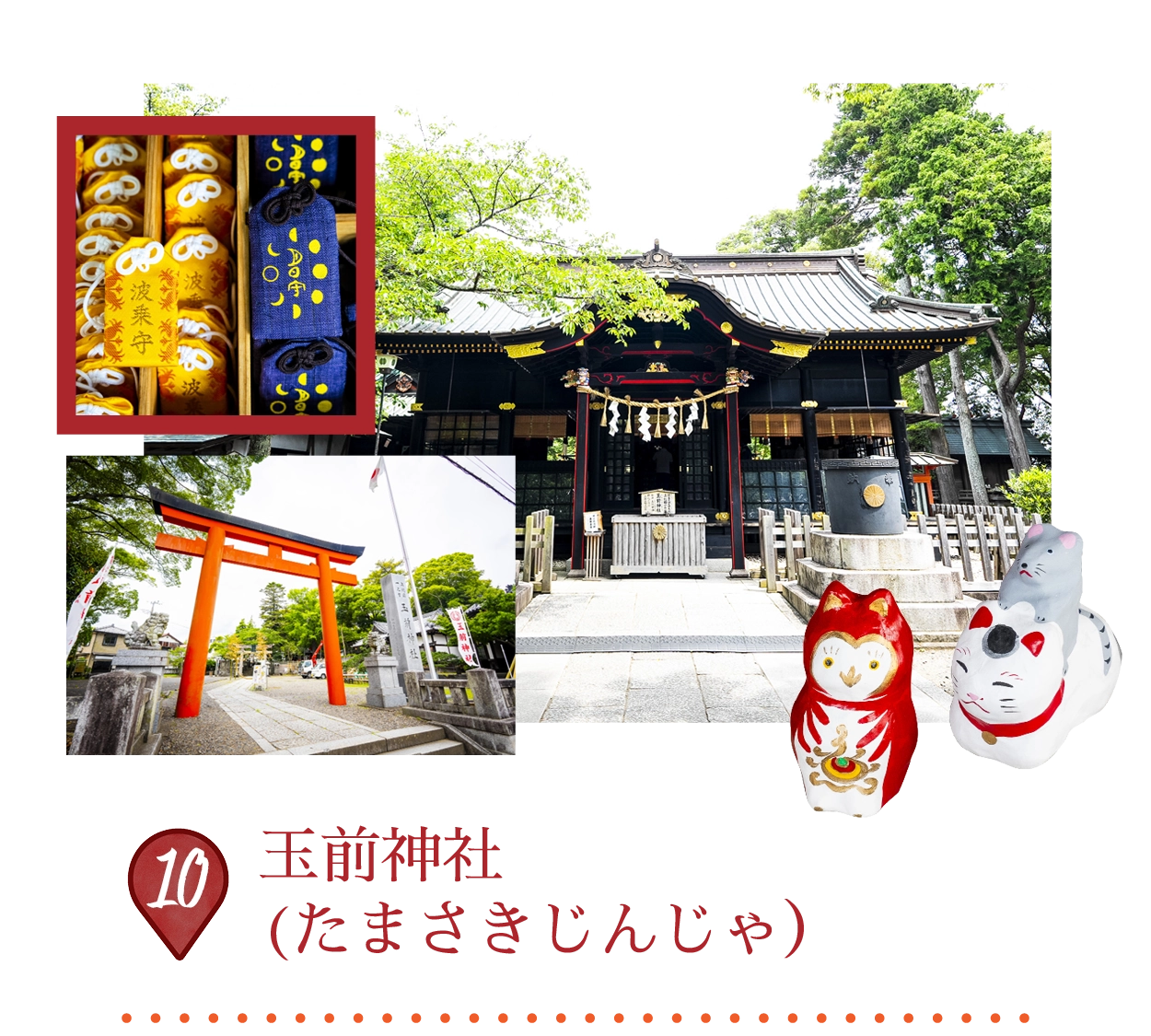
It remains one of the most versatile regions for 2026. Thailand, Vietnam, and Cambodia continue to offer transformative experiences, combining affordability with cultural depth. Japan and South Korea are also growing in popularity, particularly their secondary cities, which provide alternatives to Tokyo and Seoul while still offering rich food, history, and seasonal festivals.
- South America
This is for travellers drawn to nature and cultural immersion. Peru’s Sacred Valley and Machu Picchu remain iconic, while Chile and lesser-known regions across the continent provide opportunities for exploration beyond the usual routes.

4. Budgeting for a stress-free travel year
A financial plan helps reduce travel stress. You can start by setting an annual travel budget based on a realistic assessment of your finances.
- Break down your budget by trip
If you plan three holidays, divide your total budget to see what each trip can cost. Estimate costs for major categories like flights, stays, experiences, food, and local transport.
- Use budgeting methods that work for you
The 50/30/20 rule allocates 50% of your budget to necessities, 30% to experiences, and 20% to unexpected costs. Or try sinking-fund savings where you set aside money each month specifically for travel.
- Track prices early
Use fare alerts and price-drop tools. Some booking platforms send notifications when flights to your desired destinations decrease in price.
- Consider loyalty points, credit card miles, or travel club membership deals.
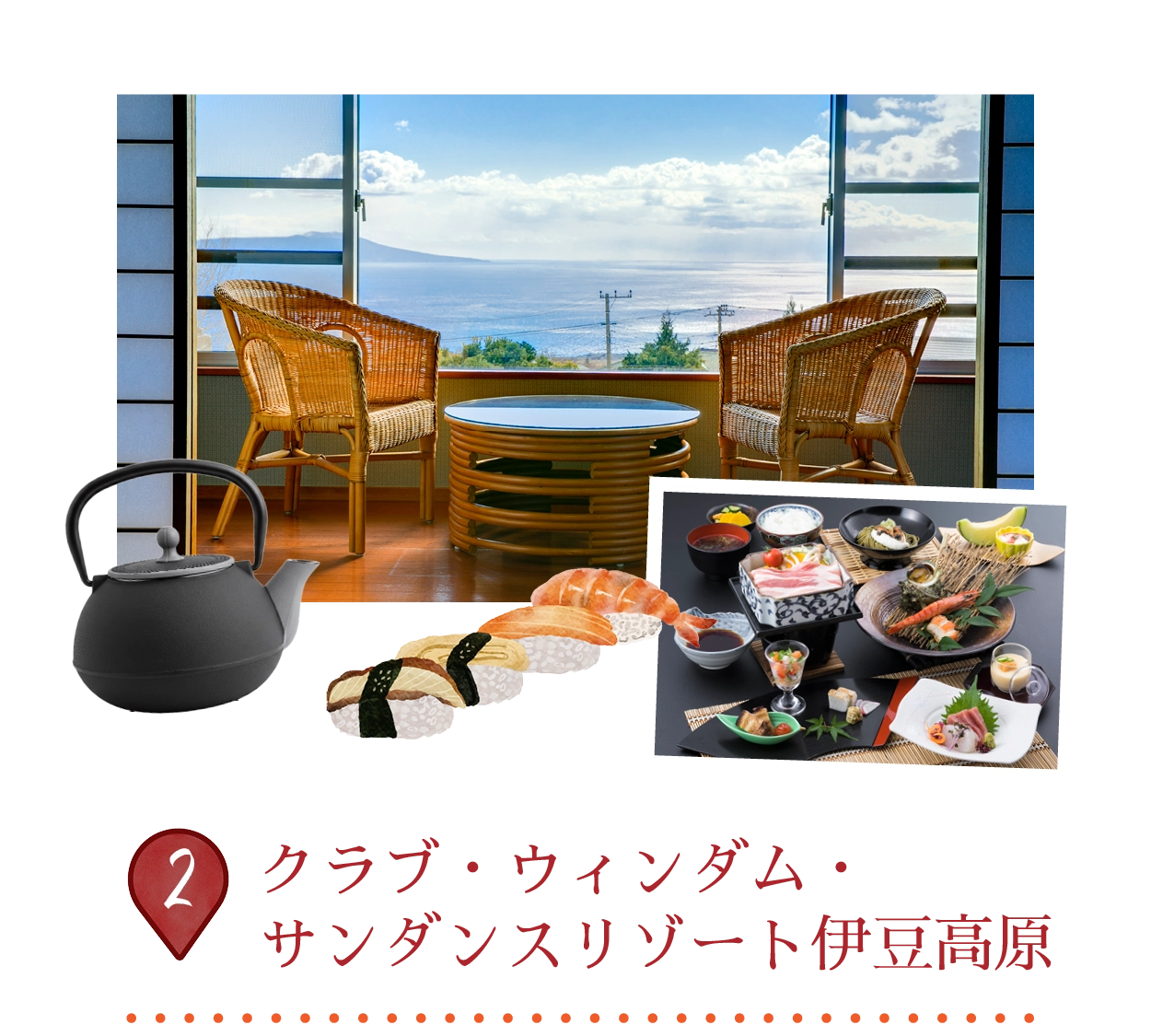
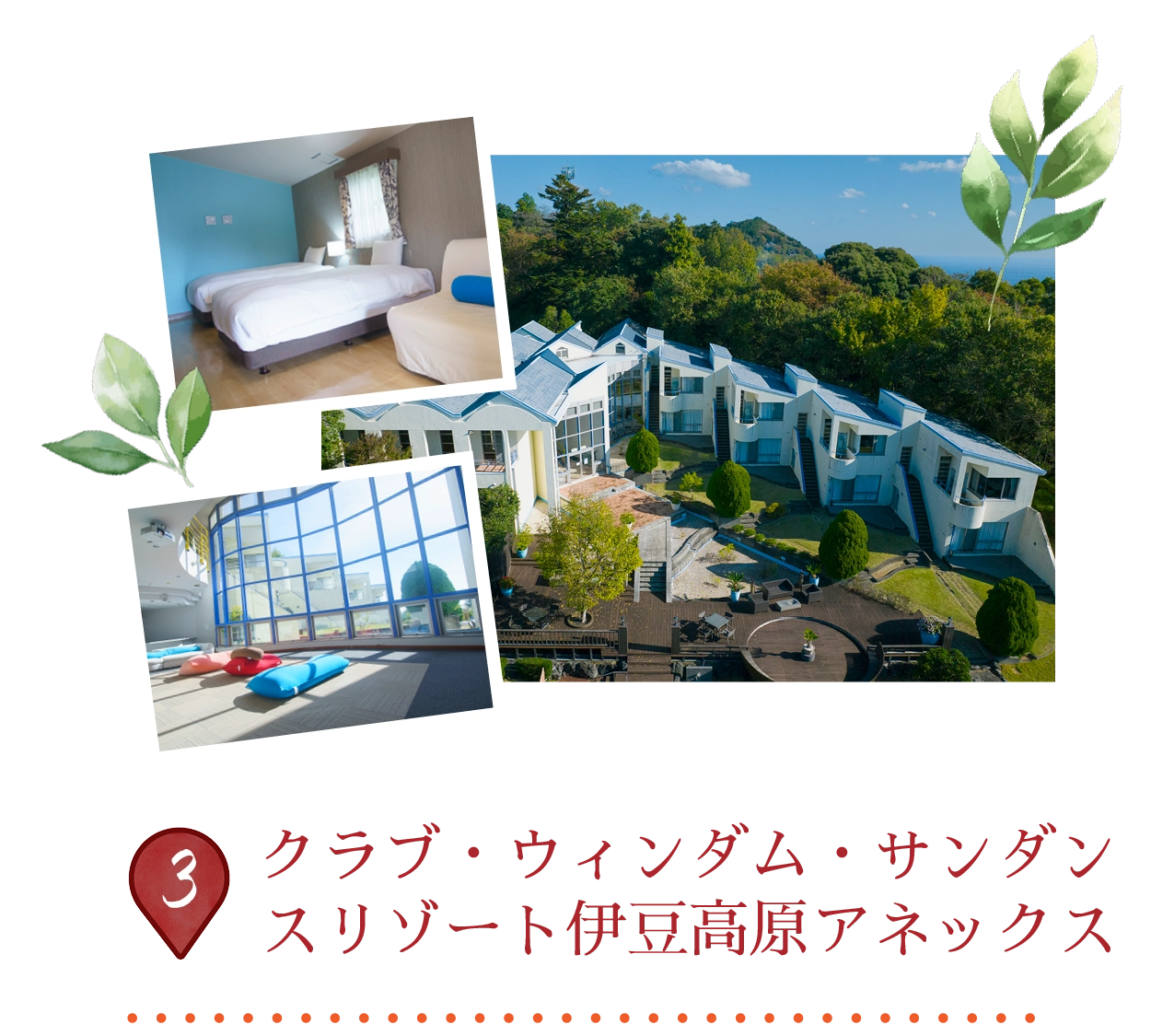
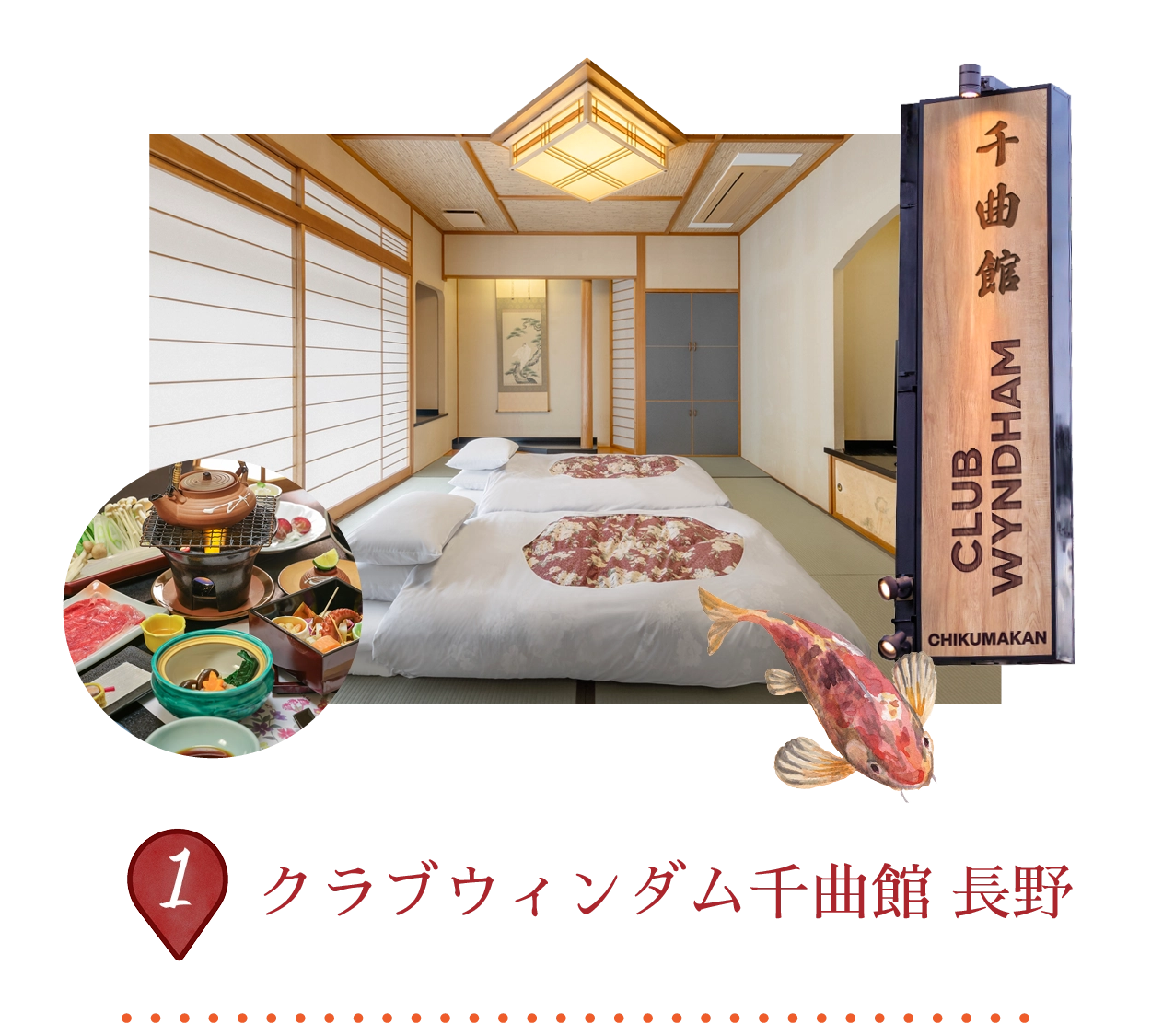
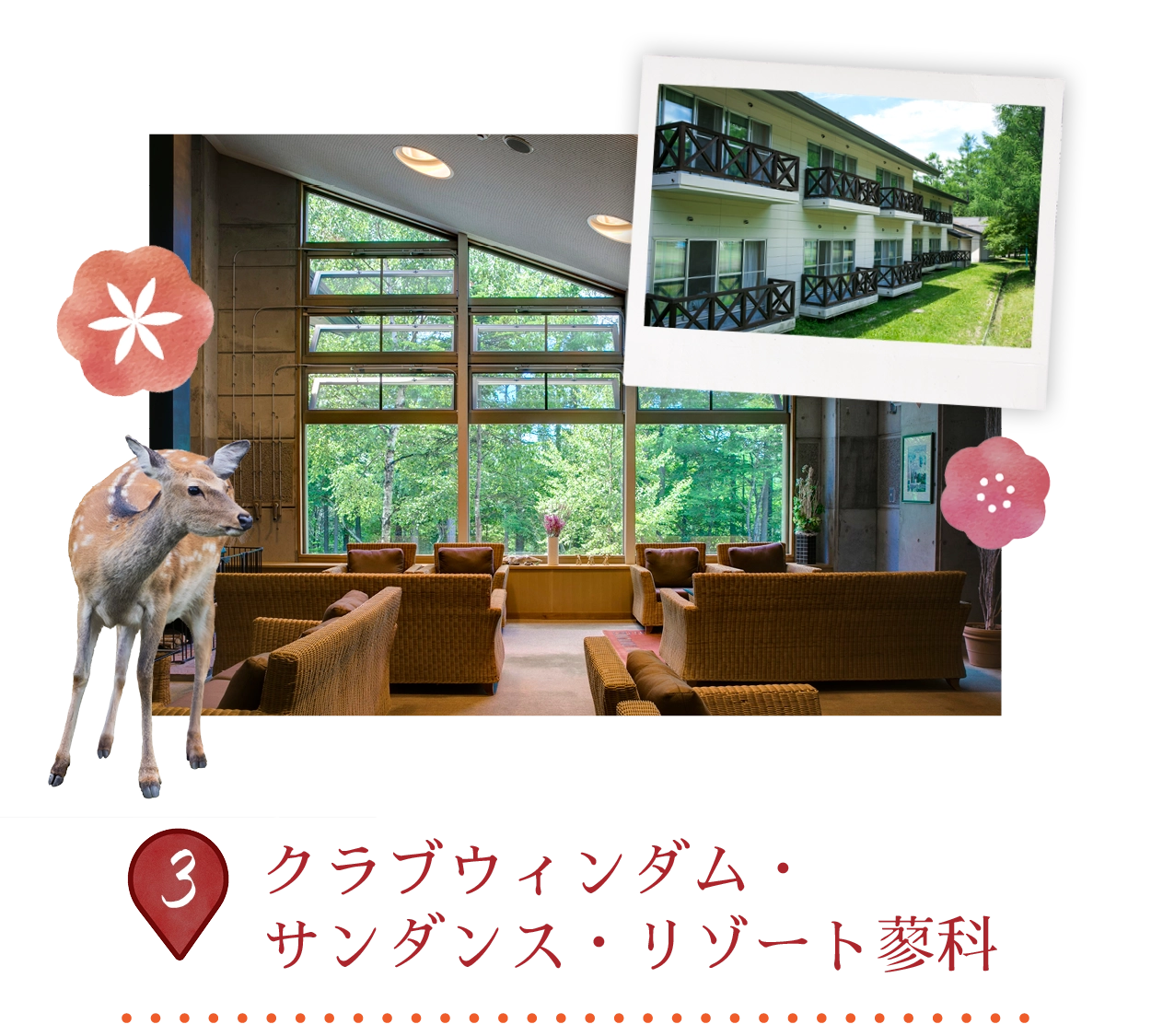
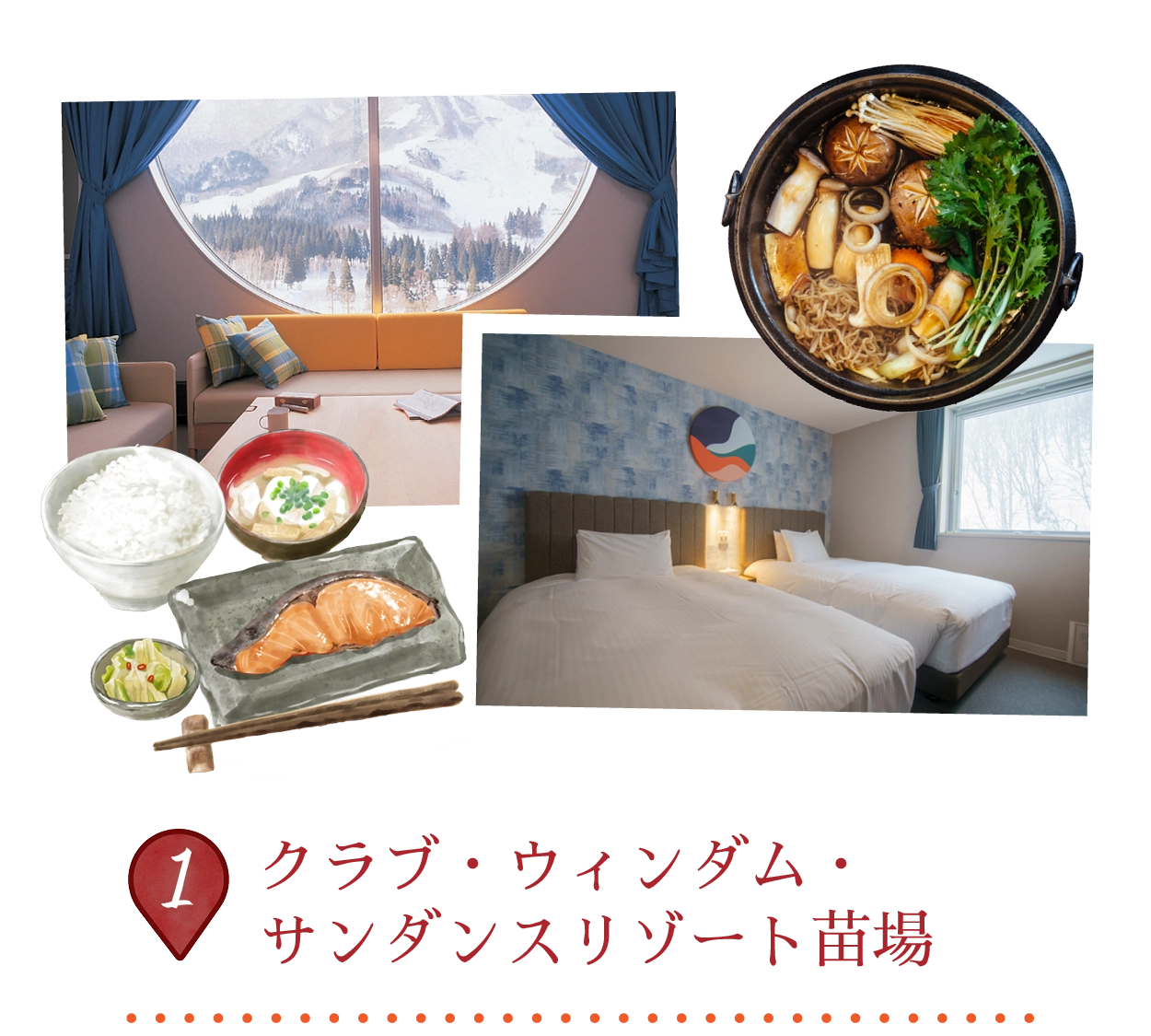
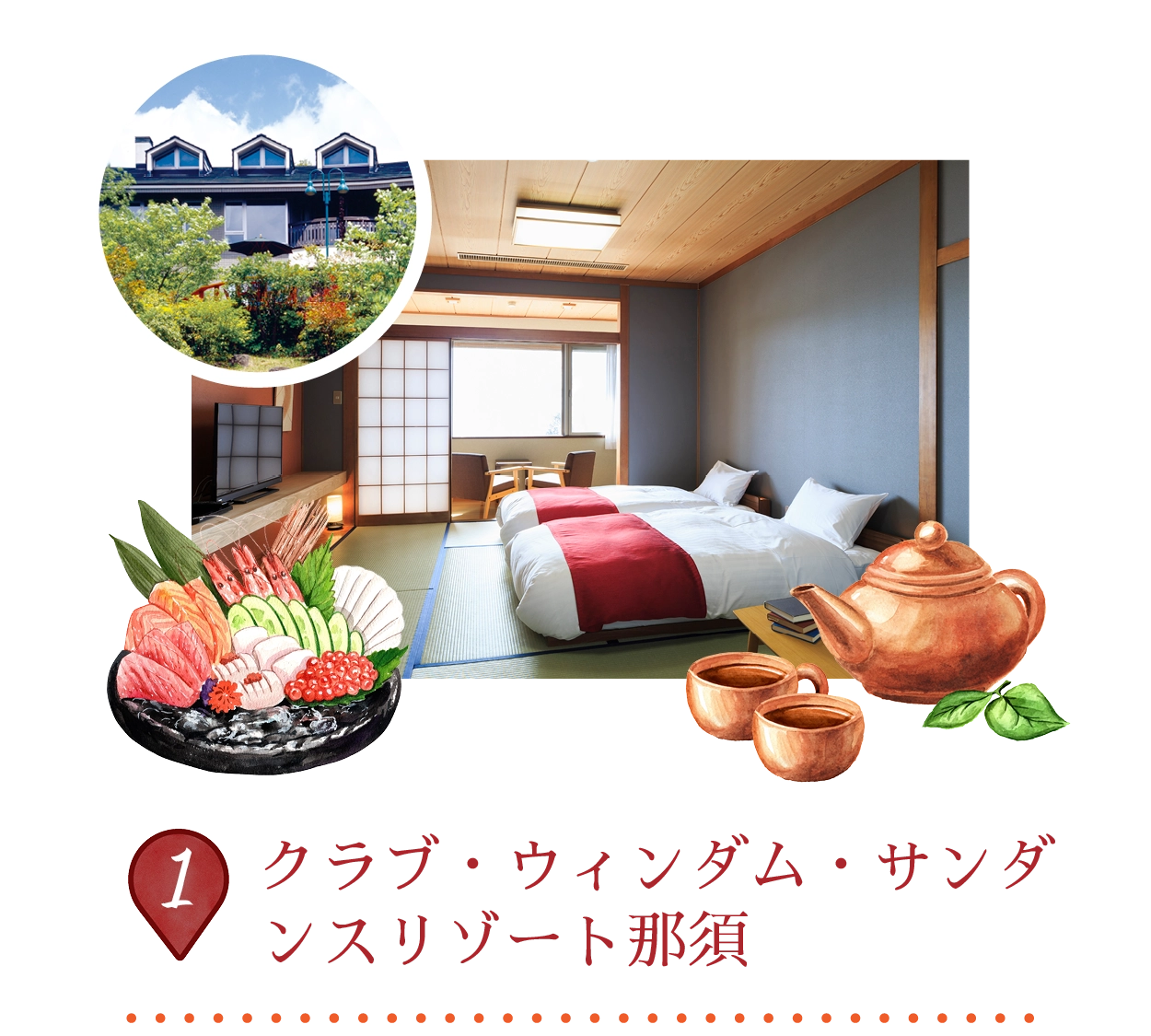
For example, Club Wyndham Asia offers a vacation club membership that locks in today’s travel prices, providing inflation-proof value and financial flexibility.
5. How to plan without feeling overwhelmed
A structured approach minimises the stress of last-minute decisions and travel hassles. Use a 12-month planning timeline for your trips.
- Six to nine months before travel, secure international flights. Booking early for popular routes often means better pricing and preferred flight times.
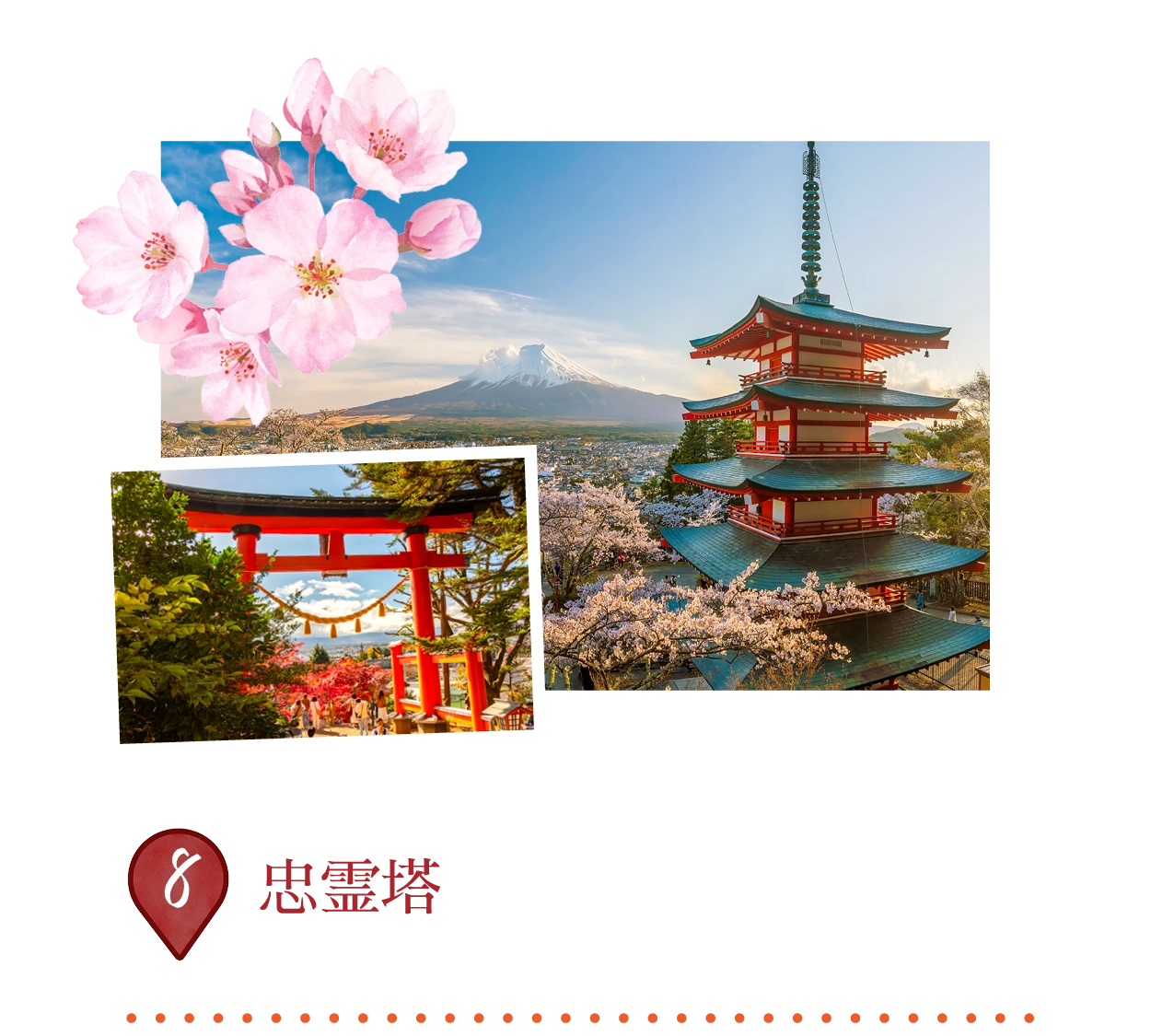
- Four to six months out, book accommodations for popular seasons. For example, summer holidays, cherry blossom season in Japan, and year-end festivities require advance reservations.
Plan flexible itineraries rather than rigid, day-by-day schedules, and add in buffer time between activities. Leaving afternoons open allows room for rest and spontaneous discoveries, which are the most memorable parts of any trip.
At the same time, keep all bookings in a shared folder or travel app, so confirmation numbers, addresses, and contact details are easy to access in one place. For extra security, email yourself copies of important documents as a backup.
6. Find unique local experiences
Experiences led by locals give you a deeper understanding of each destination. Search for community-run tours, workshops, and homestays, and use platforms that highlight local guides or small-group experiences.
To further connect with a place, attend seasonal festivals, artisan markets, or food tours. Asking locals for hidden spots and neighbourhood favourites can also lead to memorable discoveries. Community-based tourism, where locals set the pace, creates meaningful exchanges that benefit both travellers and hosts.
7. Managing travel anxiety and staying calm
It’s always better to be prepared than overwhelmed and confused at the last minute, and with a few simple strategies, travel anxiety becomes easier to manage.
- Prepare essential documents and digital backups, and store photos of your passport, visa, and insurance details on your phone and in your email.
- Avoid overpacking and create a stress-free packing checklist. A bulky backpack will drag you down for the entire trip and add unnecessary strain.
- If you get anxious, use grounding techniques or apps to manage pre-flight nerves. Breathing techniques, guided meditation, and mindfulness can help restore a sense of calm.
- Add buffer time between flights, transport, and activities. Choose connections with at least three hours to account for delays without causing panic.
- Comfort and predictability also help manage stress. Choose accommodation and travel options carefully, check hotel locations relative to restaurants and bars, and research neighbourhoods to see whether you can walk around after dark.
According to National Geographic, catching the earliest flights reduces the risk of delays, as morning flights face fewer cascading issues from weather or previous flight problems.2

Making Your New Year Travel Ideas Work
Planning and finding the best places to visit in the New Year does not have to be complicated. With thoughtful goal setting, understanding current trends, smart destination choices, and financial preparation, you can have a smooth and enjoyable journey.
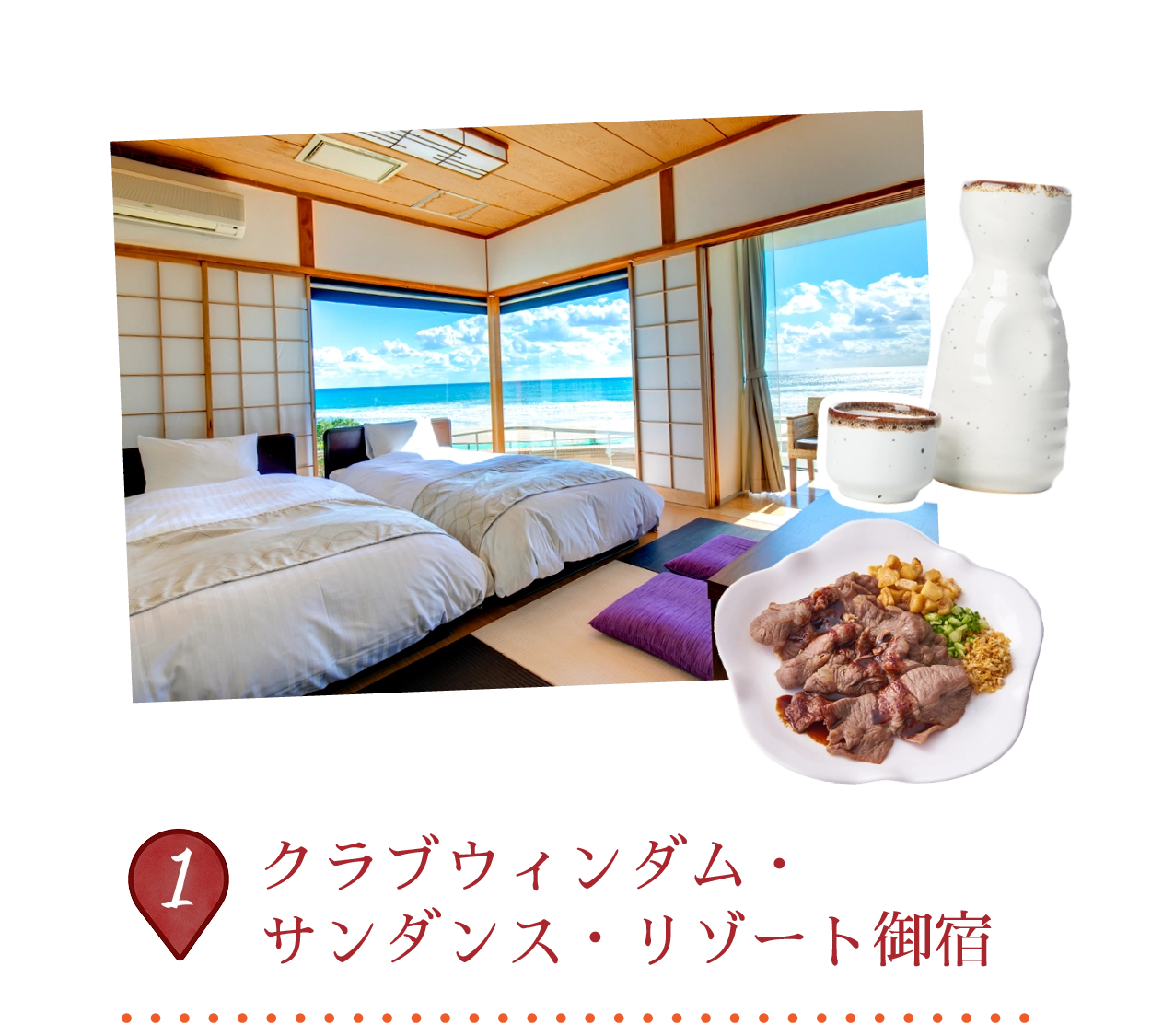
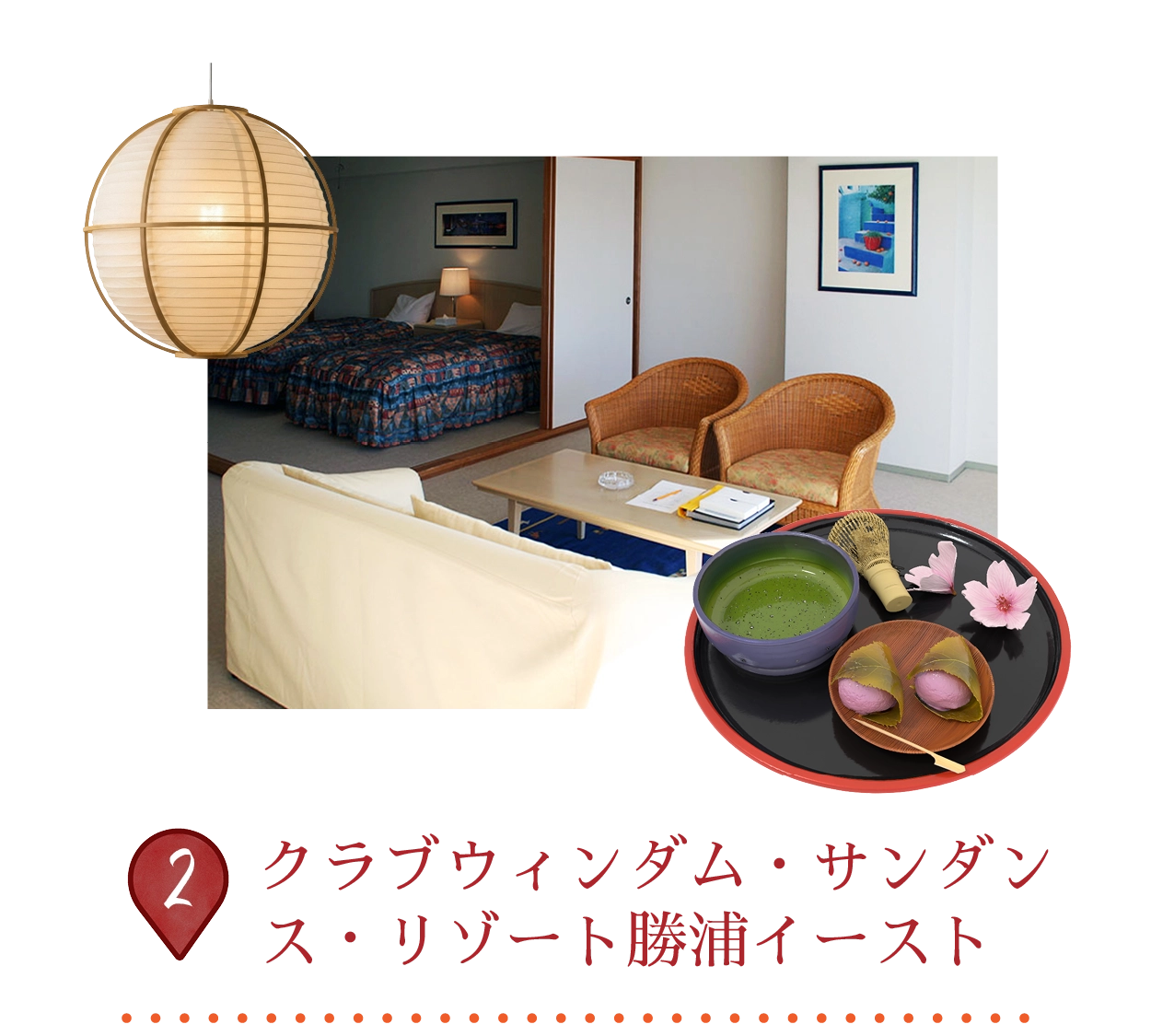
Tip: Discover comfort and unforgettable experiences at Club Wyndham Asia’s resorts across Indonesia, Thailand, Japan, and beyond. Whether you seek tropical beaches, vibrant culture, or serene escapes, Club Wyndham Asia makes planning your perfect adventure effortless and stress-free.
FAQs
1. What is the next big thing in travel for 2026?
Slow travel and meaningful experiences are defining travel in 2026, with travellers prioritising longer stays in fewer destinations that allow for deeper cultural immersion and stronger local connections.
As part of this shift, AI-assisted planning tools and wellness retreats continue to grow in popularity, helping travelers design more intentional journeys. At the same time, Eastern Europe and the Balkans are emerging as hotspots for value-conscious travelers seeking authentic European experiences without the crowds.
2. How to write a travel goal for the new year?
Start by identifying what you want from your travels: rest, adventure, culture, family time, or personal growth. Be specific and instead of “travel more,” write “take two week-long cultural trips and three weekend nature escapes”.
3. What are good travel goals?
They should align with your personal goals and circumstances. For example, you can visit three new countries, take monthly weekend trips within your region, spend two weeks in slow travel mode, learn basic phrases in a new language, try local food in every destination, or complete one bucket-list experience.
4. Where to travel to in the new year (2026)?
Eastern European cities lead the trend like Sofia (Bulgaria), Prague (Czech Republic), Sarajevo (Bosnia and Herzegovina), Tirana (Albania), and Kraków (Poland).
In Asia, secondary Japanese cities and Okinawa are rising. Phu Quoc in Vietnam and lesser-known Mediterranean towns offer alternatives to crowded hotspots.
5. How can I find unique local experiences for my trips in 2026?
If you want your trips in 2026 to feel more meaningful and less touristy, these strategies can help you uncover truly local experiences:
- Use platforms highlighting local guides and community-run tours.
- Ask hotel staff and locals for recommendations beyond tourist sites.
- Attend seasonal festivals and artisan markets.
- Book workshops like cooking classes, craft demonstrations, or walking tours led by residents.
- Join small-group experiences rather than large tour buses.
- Be open to spontaneous invitations and unplanned moments.
References
- Leal, S. (2026, January 6). These are the biggest travel trends for 2026, according to 14 industry leaders—and the destinations everyone’s talking about. Travel + Leisure. https://www.travelandleisure.com/2026-travel-trends-reports-11879023
- Toy, R. (2024). 7 ways to make travel less stressful. [online] Travel. Available at: https://www.nationalgeographic.com/travel/article/travel-anxiety-expert-tips.











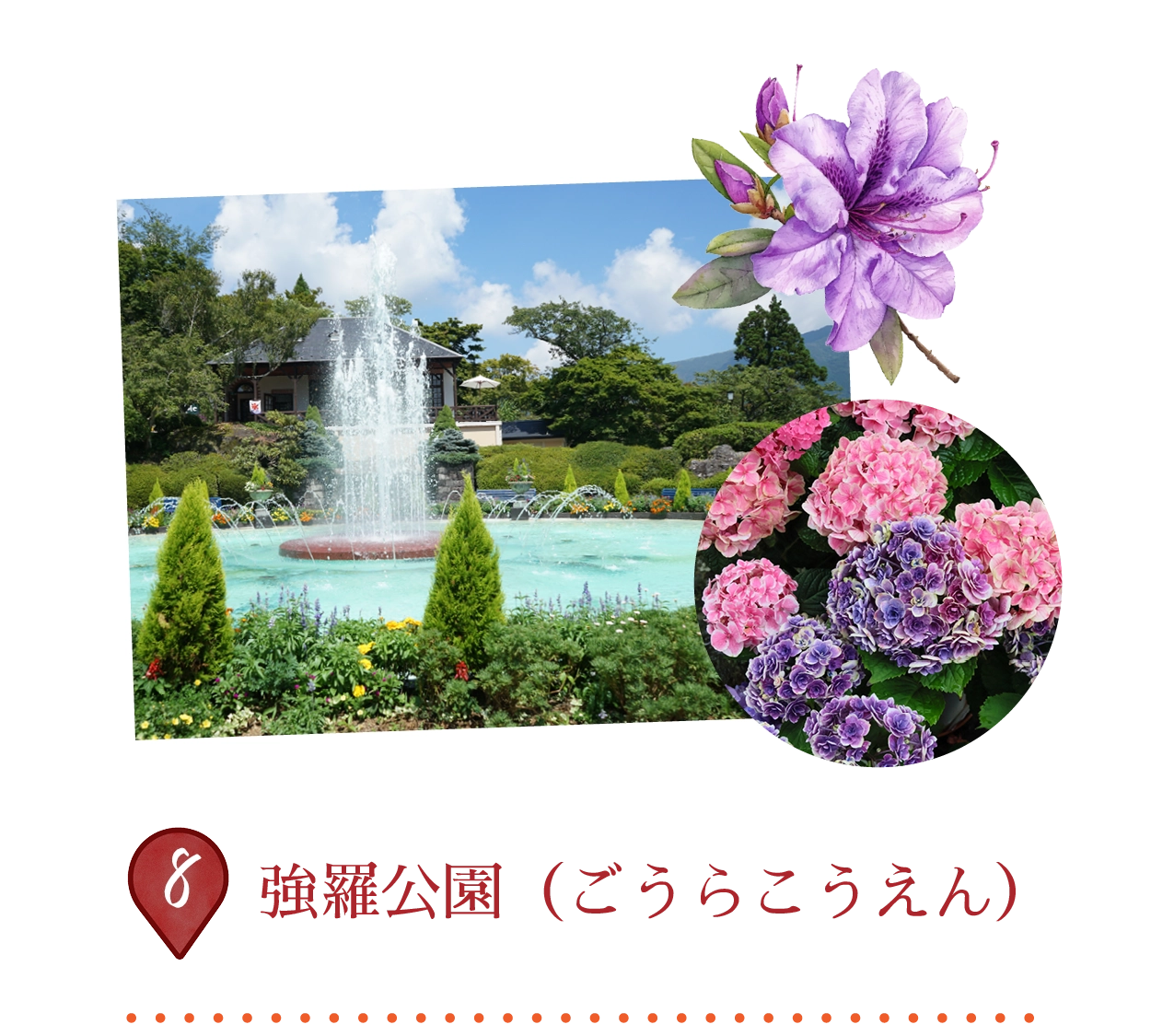 〒250-0408 神奈川県足柄下郡箱根町強羅1300-457

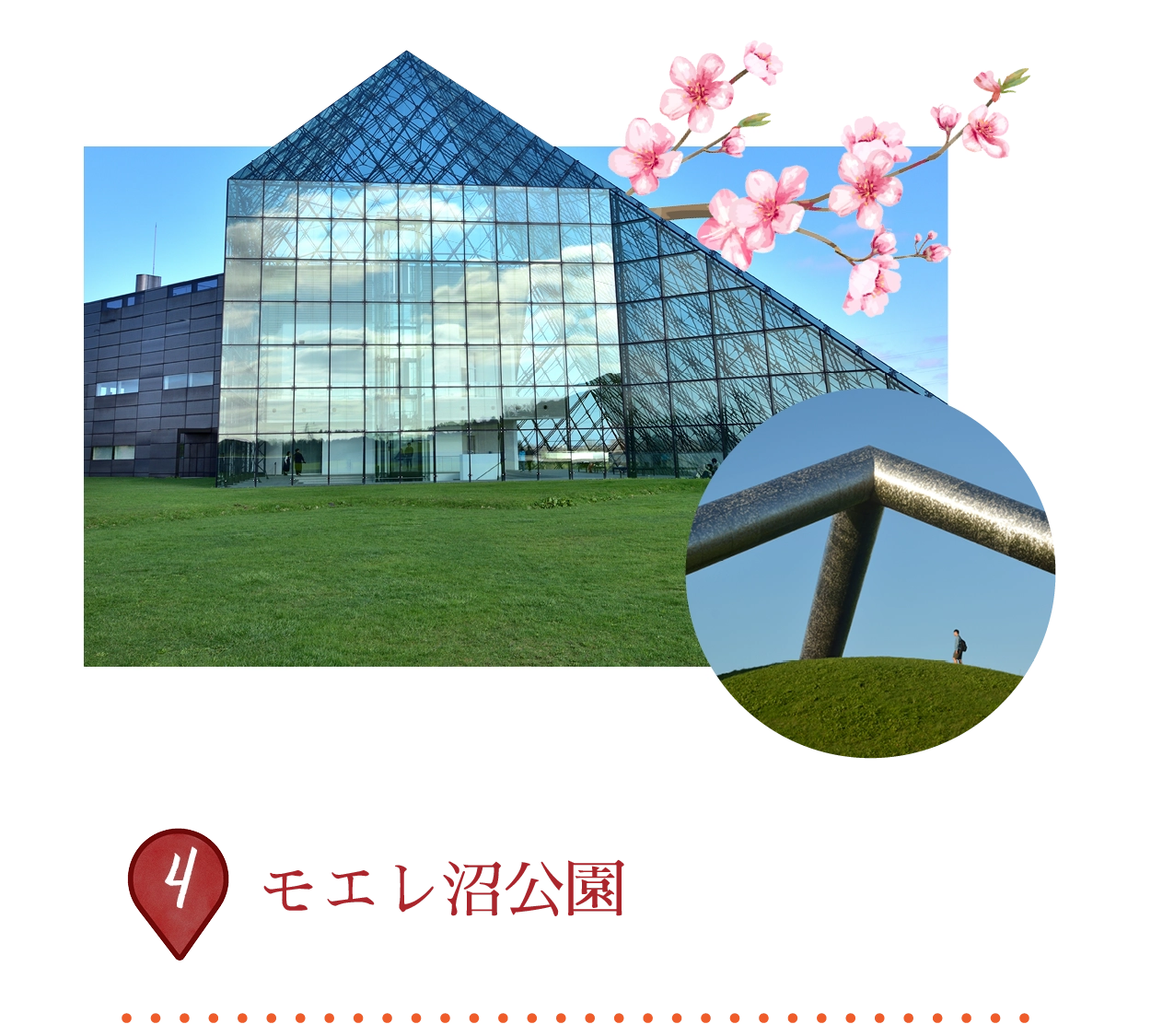 東区モエレ沼公園1-1、札幌市、北海道007-0011、日本
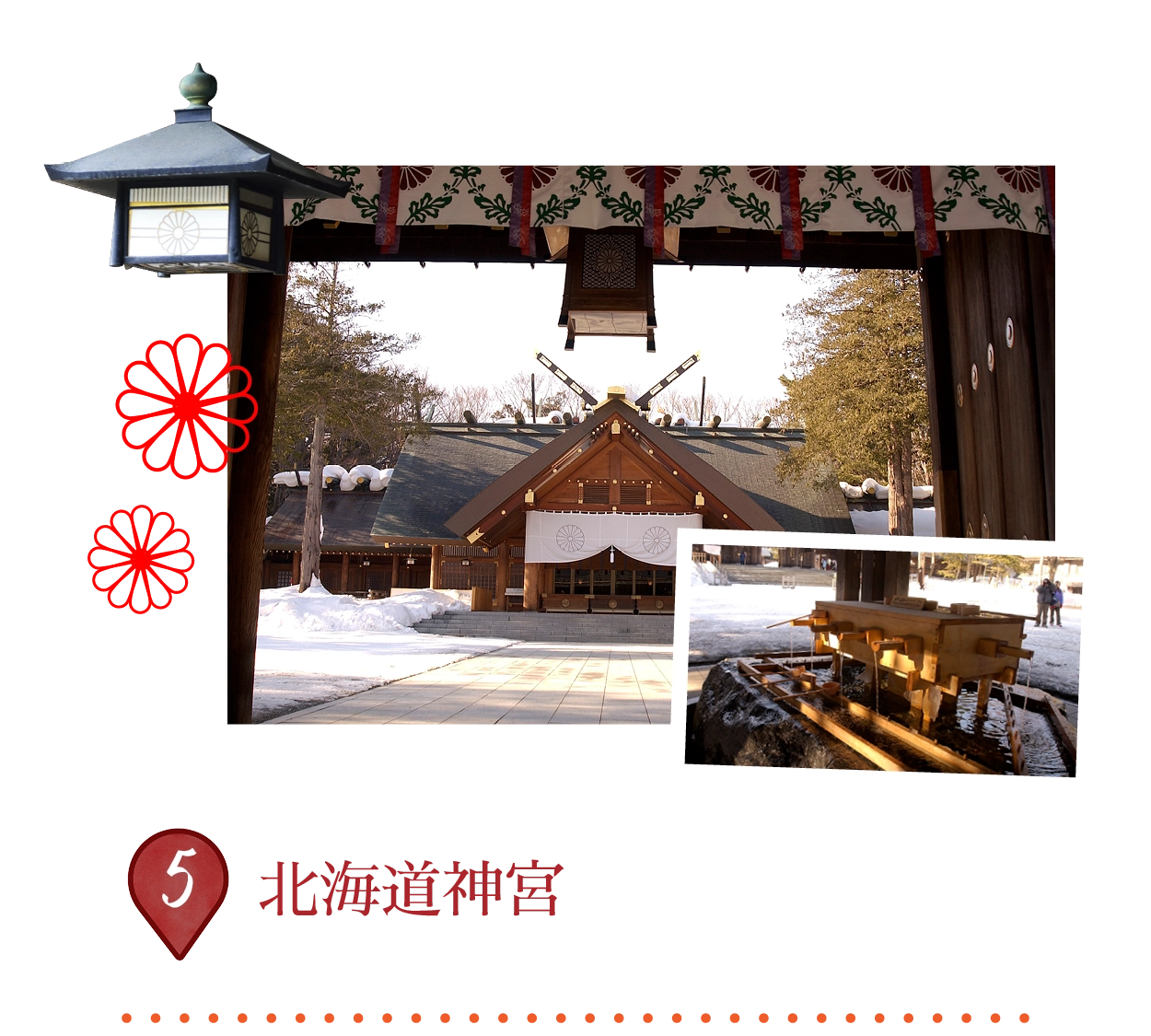 中央区宮ヶ丘474、札幌市、北海道064-8505、日本
 中央区伏見5丁目3-7、札幌市、北海道064-0942、日本
 中央区宮ヶ丘3丁目1、札幌市、北海道064-0959、日本