From Raja Ampat to Komodo: The Best Scuba Diving Spots in Indonesia for Every Ocean Lover
When you picture Indonesia, you likely imagine its iconic rice terraces, vibrant wildlife, and rich biodiversity on land. But there’s an equally mesmerising world beneath the waves. With over 17,000 islands scattered across the archipelago, Indonesia is home to some of the world’s best diving spots. From coral gardens to sun-drenched coastlines and clear waters, the country offers an underwater playground that’s just waiting for you to dive in and explore.
As part of the renowned Coral Triangle, the country is home to some of the planet’s most extraordinary marine ecosystems. From the colourful reefs of Raja Ampat to the vibrant underwater realms of Sulawesi, Indonesia’s best dive spots offer an unparalleled glimpse into a thriving underwater wonderland.
In this guide, we’ll take you through Indonesia’s most breathtaking diving and snorkelling destinations, and share tips on how you make the most of your trip when you go diving in Indonesia.
Key Highlights
Before diving deeper (pun intended!), here’s what makes diving and snorkelling in Indonesia a truly unforgettable experience:
- A marine paradise of islands: Indonesia is part of the Coral Triangle, often called the “Amazon of the Seas”.
- World-class dive destinations: Explore Raja Ampat’s reefs, Komodo National Park’s manta-filled waters, and Bunaken Marine Park’s coral walls. These are consistently ranked among the best diving spots in Indonesia.
- A snorkeller’s paradise: Calm, shallow reefs in the Gili Islands, Derawan and Bunaken offer encounters with turtles, clownfish, and colourful coral gardens.
- Perfect conditions most of the year: The dry season (April to November) brings clear visibility, warm waters, and calm seas, which are ideal for both diving and snorkelling.

Indonesia’s Must-Visit Snorkelling and Diving Hotspots
1. Raja Ampat, West Papua: Where Coral Kingdoms and Ocean Giants Meet
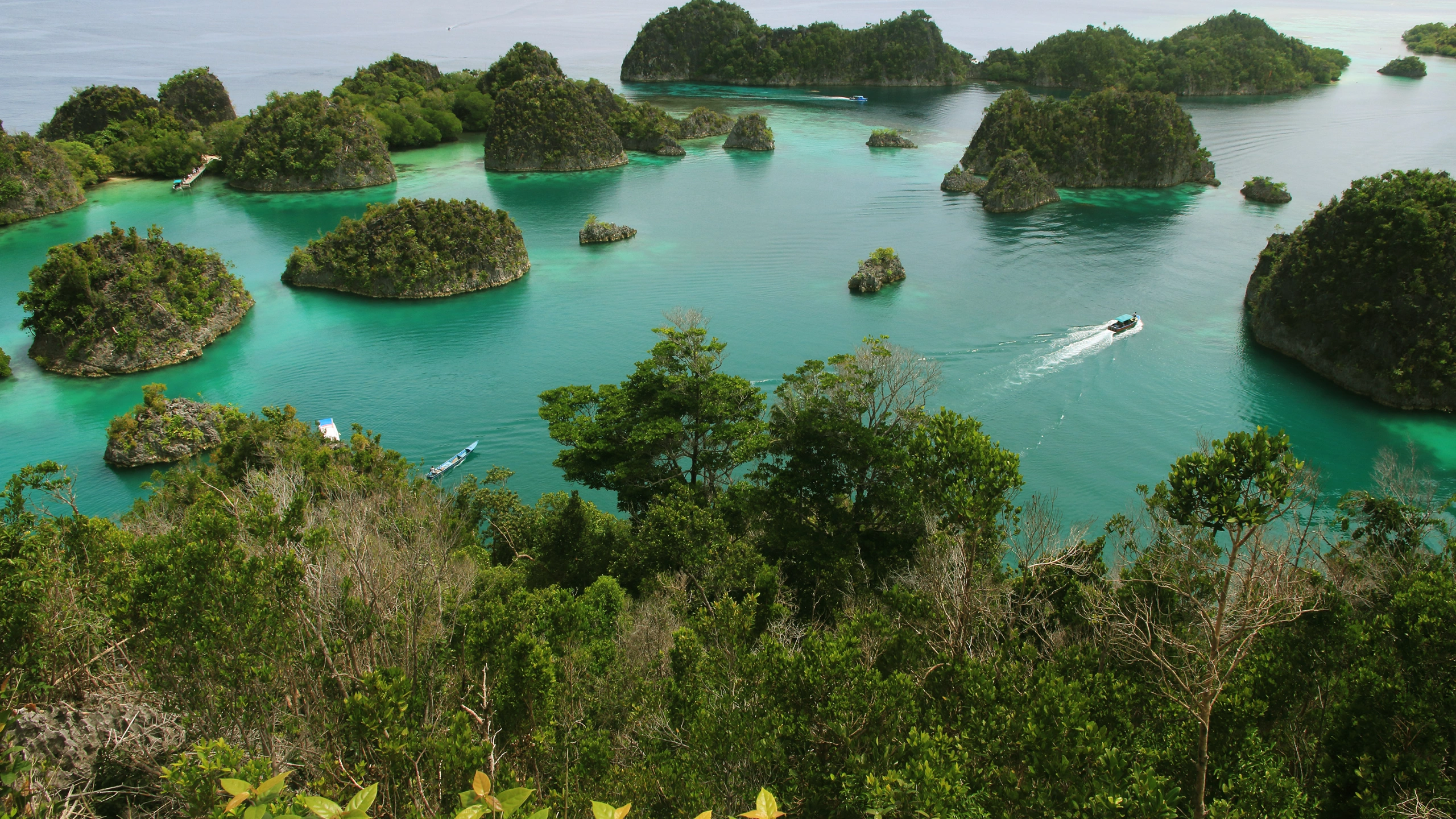
If you’re seeking a diving trip that truly feels off the grid, Raja Ampat should be at the top of your list. Home to over 1,300 fish species, manta rays, and some of the world’s most colourful coral reefs, Raja Ampat is often hailed as the epicentre of marine biodiversity. Popular dive sites like Misool and the Dampier Strait offer chances to spot wobbegong sharks, barracudas, and vibrant reef life.
While many sites cater to seasoned divers, its tranquil lagoons make for equally unforgettable snorkelling experiences. The region also has dramatic karst formations and secluded lagoons that can be explored by kayak or boat. It’s remote, pristine, and ideal for those who want an unforgettable underwater adventure far from crowds.
- Best time to visit: September to May
2. Komodo National Park, East Nusa Tenggara: Dragons Above, Mantas Below
Komodo National Park offers an incredible blend of both land and sea experiences. Beneath the waves, divers can explore some of Indonesia’s most dramatic underwater landscapes. From graceful manta rays at Manta Point to swirling schools of fish and reef sharks around Batu Bolong’s striking coral walls, it is considered one of the best diving spots in Indonesia.
Snorkellers, too, are rewarded with encounters with turtles and vibrant reefs. And once you’re back on shore, you can trek across the rugged landscapes of Komodo Island to witness the legendary Komodo dragons in their natural habitat.
- Best time to visit: June to October
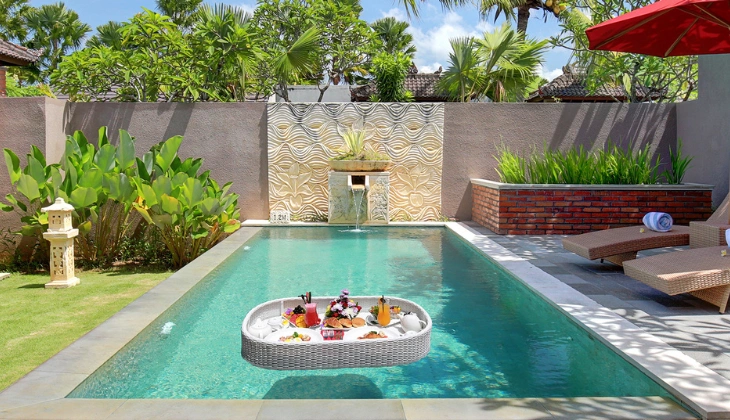
- Where to stay: Stay at Club Wyndham Seminyak, a coastal retreat that blends Balinese charm with modern comfort. From here, a short domestic flight to Labuan Bajo connects you directly to Komodo National Park.
3. Bunaken Marine Park, North Sulawesi: Indonesia’s Colourful Reefs
For those taking their first plunge into the underwater world, Bunaken Marine Park offers a serene introduction. The warm, gentle waters make it one of Indonesia’s best snorkeling and diving destinations for beginners.
Its bustling marine life will keep things endlessly fascinating, with turtles, schools of fish, and curious critters tucked between corals. Bunaken’s steep, colourful underwater coral walls also make every dive a visual treat. You could pair this visit with a Bali getaway, and it is also accessible from Lombok.
- Best time to visit: January to April, August to November
- Where to stay: While Bunaken itself is a tranquil escape in North Sulawesi, you can extend your island adventure with a stay at one of Club Wyndham Asia’s resorts in Bali. From the beachside elegance of Wyndham Tamansari Jivva Resort Bali to the private indulgence of Vivara Private Pool Villas, or the serene retreat of Club Wyndham Dreamland Bali, each resort offers the perfect place to unwind, rejuvenate, and relive the day’s underwater discoveries.
4. Gili Islands, Lombok: Calm Reefs and Carefree Snorkeling
A short boat ride from Bali or Lombok, the three Gili Islands — Gili Trawangan, Gili Meno, and Gili Air, offer a relaxed slice of island life. Clear waters, colourful coral reefs, and sea turtles make them one of Indonesia’s most inviting diving and snorkelling destinations.
You can walk straight into the ocean from the beach, sign up for a dive course, or enjoy the slow pace and sunset views. With no cars and plenty of beach cafés and bars, the Gili Islands offers an easygoing charm with just the right touch of energy.
- Best time to visit: April to October
Beyond the Usual: Indonesia’s Hidden Diving and Snorkelling Treasures
Indonesia’s waters hold more than the world-famous dive havens of Raja Ampat or Komodo. For travellers seeking quieter, less-explored experiences, these diving and snorkelling gems offer beauty and serenity that feels wonderfully personal.
1. Wakatobi, Southeast Sulawesi: Luxury Diving with a Conscience
Tucked away in Southeast Sulawesi, Wakatobi is where conservation meets comfort. This UNESCO-listed marine biosphere reserve takes its name from four islands — Wangi-Wangi, Kaledupa, Tomia, and Binongko.
Each captures an underwater world teeming with coral walls, ghost pipefish, and the occasional hawksbill turtle drifting through the currents. Despite its remote setting, Wakatobi is known for calm waters and safe diving conditions, making it ideal for beginners and experienced divers alike.
What sets Wakatobi apart is its commitment to sustainable tourism. The local dive resorts work closely with island communities to protect reefs and empower residents through eco-friendly practices. After a day spent exploring dramatic drop-offs or relaxing in lagoon-like waters, you’ll feel the rare harmony of tranquillity and eco-conscious travel.
- Best time to visit: April to November
2. Nusa Penida, Bali: Swim with Mantas and the Mysterious Mola Mola
Just a short boat ride from Bali, Nusa Penida offers an entirely different kind of beauty. Here, divers flock to Manta Point, where majestic manta rays glide above coral platforms like underwater kites.
But the real thrill lies in Crystal Bay, home to the elusive Mola Mola, the world’s heaviest bony fish, which appears seasonally from the deep blue. Spotting one feels like witnessing an ancient sea creature from another age. This makes it one of the best scuba diving spots in Indonesia.
Above the waves, Nusa Penida’s rugged cliffs, hidden coves, and sweeping viewpoints make it a dream for explorers. Between dives, you can relax at a beach café in neighbouring Nusa Lembongan, enjoy a coastal scooter ride or head back to the comfort of Club Wyndham Asia Merusaka Nusa Dua Bali or Ayodya Resort Bali where convenience and serenity meet.
- Best time to visit: July to October
3. Derawan Islands, East Kalimantan: A Quiet Haven for Turtles and Reef Lovers
If your idea of paradise involves solitude and pristine natural beauty, the Derawan Islands will feel like a dream. Located off the coast of East Kalimantan, this remote archipelago offers an escape from the crowds, where time slows down and the ocean feels infinite.
Snorkelling here is like drifting through a living kaleidoscope, gliding alongside sea turtles, spotting dugongs in shallow seagrass beds, and swimming with reef sharks in waters so clear it feels unreal. Islands like Maratua and Sangalaki are still relatively untouched. Come nightfall, bioluminescent waters sometimes sparkle under the stars, adding a touch of quiet magic.
- Best time to visit: March to November
4. Alor, Eastern Nusa Tenggara: Indonesia’s Untouched Diving Frontier
For divers who crave adventure and authenticity, Alor is Indonesia’s well-kept secret. Situated east of Flores, Alor offers some of the most spectacular dive sites in the country. Its nutrient-rich waters attract coral gardens, hammerhead sharks, and even elusive rhinopias (masters of camouflage).
But Alor’s beauty extends well beyond its reefs. On land, you’ll find fascinating Papuan and Polynesian influences, colourful local markets, and volcanic vistas that feel worlds away from modern tourism. Many travellers describe diving here as a humbling experience, a reminder of how untouched and fragile Indonesia’s marine ecosystems truly are.
- Best time to visit: April to November
When’s the Best Time to Go Diving in Indonesia?
With its tropical climate and endless coastline, Indonesia is an all-year playground for divers. But the magic truly depends on where (and when) you take a dip.
The dry season (April–October) is the golden window. Seas calm down, visibility stretches out for metres, and sunlight lends a golden glow. Expect turquoise waters, gliding mantas, and corals bursting with life.
The rainy months from November to March brings a different kind of charm. While you may encounter short tropical showers, they often clear within hours, leaving behind refreshed landscapes, and fewer crowds. It’s a great time for travellers who prefer a slower, more intimate experience, especially in regions like Raja Ampat or Bunaken, where marine life remains vibrant year-round.
Note: Wherever you choose to go, it’s wise to check regional conditions before booking. Indonesia’s vast geography means that while one island enjoys perfect diving weather, another may still be under a passing monsoon.
Smart Traveller’s Guide: Tips for a Safe Dive
- Is it safe to dive or snorkel with sharks in Indonesia?
Yes, most sharks you’ll encounter, such as reef and wobbegong sharks are harmless and prefer to keep their distance. Still, it’s best to dive with licensed guides who respect marine life and follow responsible practices.
- Is snorkeling good in Indonesia?
Definitely! With clear waters, warm seas, and an incredible variety of marine life, Indonesia is one of the world’s top snorkeling destinations. It’s one of the places where you can drift above vibrant coral gardens, swim alongside sea turtles, and even cross paths with graceful manta rays.
- Do I need a diving certification to snorkel?
No, you do not require a diving certificate to snorkel. If you can swim and are comfortable with a mask and fins, you can snorkel safely. However, if you wish to scuba dive, you will need at least an Open Water Diver certification from a recognised agency like PADI or SSI.
- Where are the best snorkeling spots in Indonesia?
Popular favourites include the Gili Islands, Bunaken Marine Park, Raja Ampat, and the Derawan Islands. They are known for calm conditions, abundant marine life, and snorkelling-friendly.
- Are there good accommodations nearby?
Yes, from the golden beaches of Nusa Dua to the lively shores of Kuta, Club Wyndham Asia offers stays across Bali. Each blends modern comfort with authentic Balinese warmth, putting you just steps away from the island’s best diving and snorkelling experiences.
- What is the water temperature like?
Indonesia’s waters stay warm year-round, usually between 27°C and 30°C (80°F to 86°F), making them perfect for diving or snorkelling.
- What isthe marinelife like?
Indonesia lies within the Coral Triangle, a place with rich marine biodiversity. Its warm waters host more than 1,300 fish species, along with turtles, manta rays, reef sharks and colourful coral gardens.
FAQs about Diving and Snorkelling in Indonesia
- Is it safe to dive or snorkel with sharks in Indonesia?
Yes, most sharks you’ll encounter, such as reef and wobbegong sharks are harmless and prefer to keep their distance. Still, it’s best to dive with licensed guides who respect marine life and follow responsible practices.
- Is snorkeling good in Indonesia?
Definitely! With clear waters, warm seas, and an incredible variety of marine life, Indonesia is one of the world’s top snorkelling destinations. It’s one of the places where you can drift above vibrant coral gardens, swim alongside sea turtles, and even cross paths with graceful manta rays.
- Do I need a diving certification to snorkel?
No, you do not require a diving certificate to snorkel. If you can swim and are comfortable with a mask and fins, you can snorkel safely. However, if you wish to scuba dive, you will need at least an Open Water Diver certification from a recognised agency like PADI or SSI.
- Where are the best snorkeling spots in Indonesia?
Popular favourites include the Gili Islands, Bunaken Marine Park, Raja Ampat, and the Derawan Islands. They are known for calm conditions, abundant marine life, and snorkeling-friendly.
- Are there good accommodations nearby?
Yes, from the golden beaches of Nusa Dua to the lively shores of Kuta, Club Wyndham Asia offers stays across Bali. Each blends modern comfort with authentic Balinese warmth, putting you just steps away from the island’s best diving and snorkelling experiences.
- What is the water temperature like?
Indonesia’s waters stay warm year-round, usually between 27°C and 30°C (80°F to 86°F), making them perfect for diving or snorkelling.
- What isthe marinelife like?
Indonesia lies within the Coral Triangle, a place with rich marine biodiversity. Its warm waters host more than 1,300 fish species, along with turtles, manta rays, reef sharks and colourful coral gardens.
- Where is the best place to dive in Indonesia?
Raja Ampat, followed by Komodo, Wakatobi and Nusa Penida. Raja Ampat tops the list for its rich marine biodiversity and vibrant coral gardens. Komodo is known for its thrilling drift dives, while Wakatobi offers calm seas and crystal-clear visibility. Near Bali, Nusa Penida gives snorkellers the chance to spot mantas in shallow waters.
- Can I bookdivetrips directly through Club Wyndham Asia resorts?
Yes, Club Wyndham Asia resorts in Indonesia partner with trusted dive operators and can arrange excursions, day trips and more.
Why Indonesia Belongs on Every Diver’s Bucket List
Indonesia’s underwater world is a collection of diverse paradises waiting to be explored, offering a lifetime of discovery for those who choose to dive in. Whether you are a pro-diver or looking to experience diving in Indonesia for the first time, these destinations offer an unforgettable adventure.
And when the day’s adventures wind down, retreat to the warmth and comfort of Club Wyndham Asia’s resorts. Each stay offers island charm with modern comfort, letting you relive your underwater memories, cocktail in hand, sunset on the horizon, and the promise of another unforgettable dive the next day.











































 5-3-7 ฟุชิมิ แขวงชูโอ เมืองซัปโปโร จังหวัดฮอกไกโด 064-0942 ประเทศญี่ปุ่น












 174 โยชิโอะ เมืองคัตสึอุระ จังหวัดชิบะ 299-5242 ประเทศญี่ปุ่น